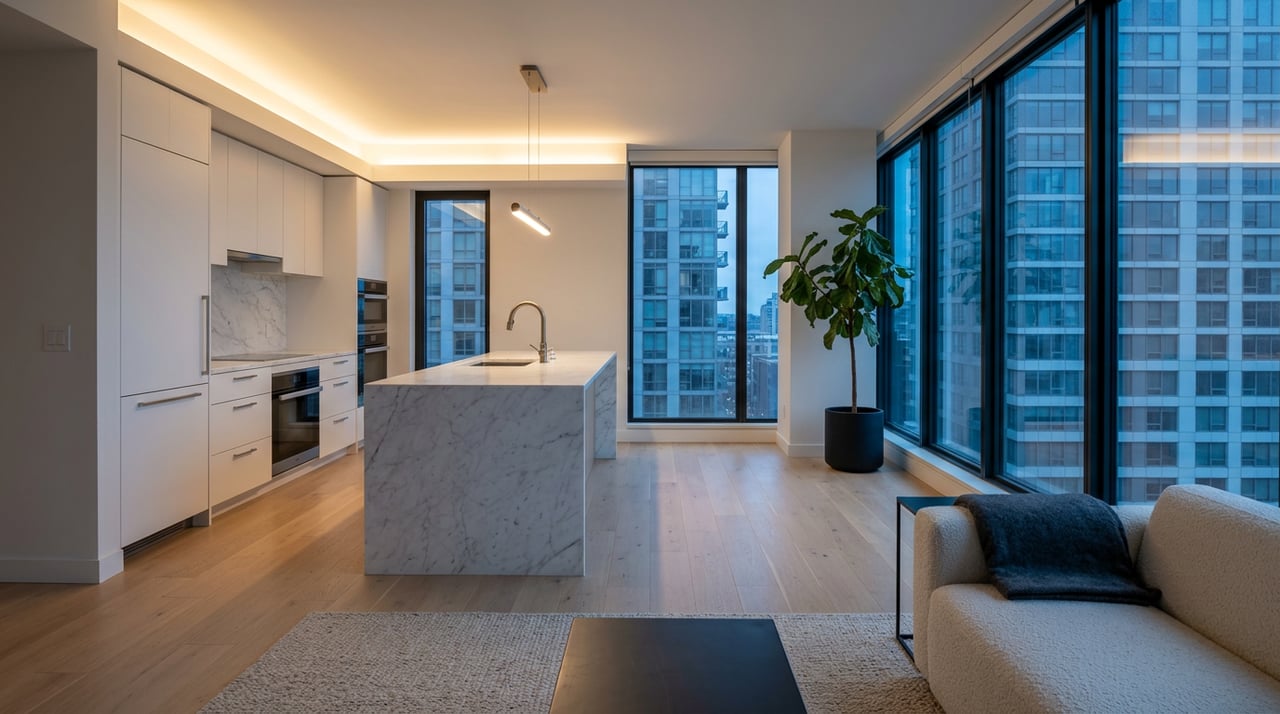
River North Luxury Condos: What Buyers Should Understand
Shopping for a luxury condo in River North can feel like scrolling two different cities at once: glassy full-amenity towers beside character-filled brick lofts, with prices that swing by hundreds per square foot. You want the right home, a fair price, and confidence you are not missing something in the building’s finances or rules. In this guide, you will learn how River North’s condo market is structured, which features drive value, how financing and HOA governance affect deals, and where buyers like you can negotiate. Let’s dive in.
Last updated: March 2026
River North sits on Chicago’s Near North Side, north of the river and west of Michigan Avenue. The neighborhood grew from a warehouse and gallery district into a blend of loft conversions and modern high-rises, which explains today’s diverse inventory. For a quick primer on the area’s evolution, explore this overview of River North’s history and boundaries from WTTW’s neighborhood guide. WTTW’s River North neighborhood overview
Different real estate portals sample data differently, so numbers vary. Use one source when making apples-to-apples comparisons and always check the snapshot date.
| Source (early 2026 snapshot) | Median price | $/ft² |
|---|---|---|
| Realtor.com | ~$498,000 | ~$430 |
| Redfin | ~$(410,000) | ~$372 |
Using the same Realtor.com snapshot window for cross-neighborhood context, West Loop ran about $387/ft² and Streeterville about $409/ft² in early 2026. These snapshots show how River North typically prices among downtown options while reminding you to standardize your source when comparing areas.
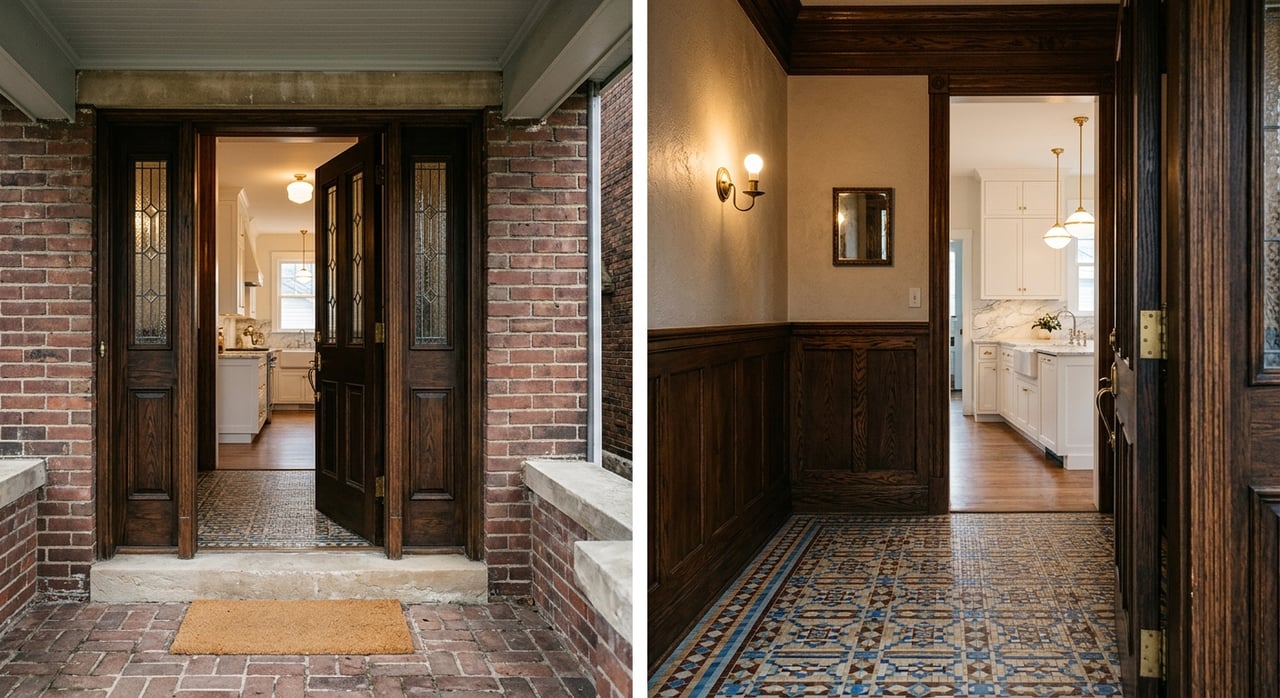
You will find converted warehouses with exposed brick, timber, high ceilings, and wide floorplates. Layouts feel unique and often deliver generous, lateral living spaces that live larger than the square footage. River North’s warehouse-to-residential history helps explain why this product is common. River North background on Wikipedia
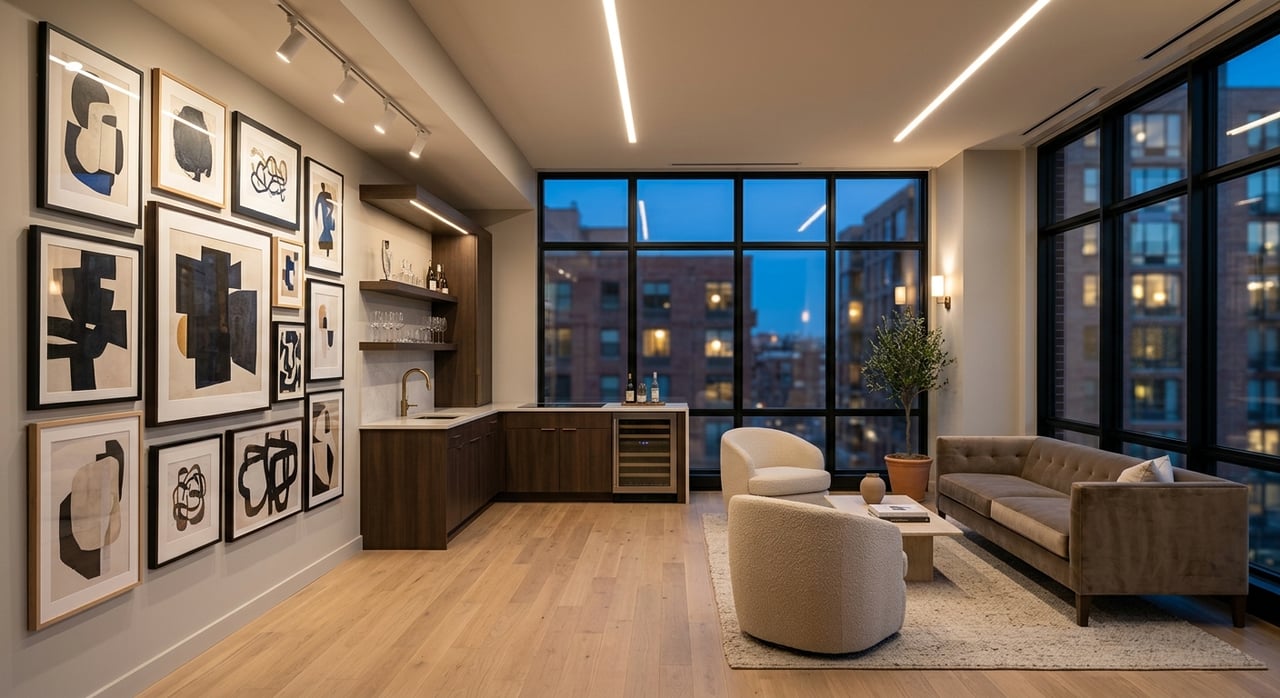
Modern mid- and high-rise buildings stack lifestyle on top of location. Expect 24/7 door staff or concierge, full fitness and wellness spaces, indoor or outdoor pools and sundecks, resident lounges, meeting rooms, pet amenities, and deeded parking options. Newer towers and notable conversions tend to anchor the luxury tier and often feature trophy penthouses with curated services. Local reporting highlights how these buildings draw the top end of the market. Recent coverage of new Chicago luxury towers
Views are one of the biggest wild cards in pricing. Academic research on view premiums shows a wide range, with partial water or skyline outlooks adding a few percent and unobstructed, superior views commanding much more. The exact premium depends on the quality and scarcity of the view. Hedonic research on the value of a view
In River North, skyline, river, and any lake glimpses are limited and often priced at a meaningful premium per square foot. Marketing for new towers and recent luxury listings in and around the neighborhood frequently foregrounds view quality to justify price. New tower sales context
Newer buildings can command higher prices for modern mechanicals, sound insulation, elevators, and larger amenity platforms. Older conversions trade on character, but resale values can soften if an association is underfunded or major work is pending. Industry guidance underscores that building operations and reserves matter for long-term liquidity and buyer confidence. ULI’s multifamily outlook on amenity and operations
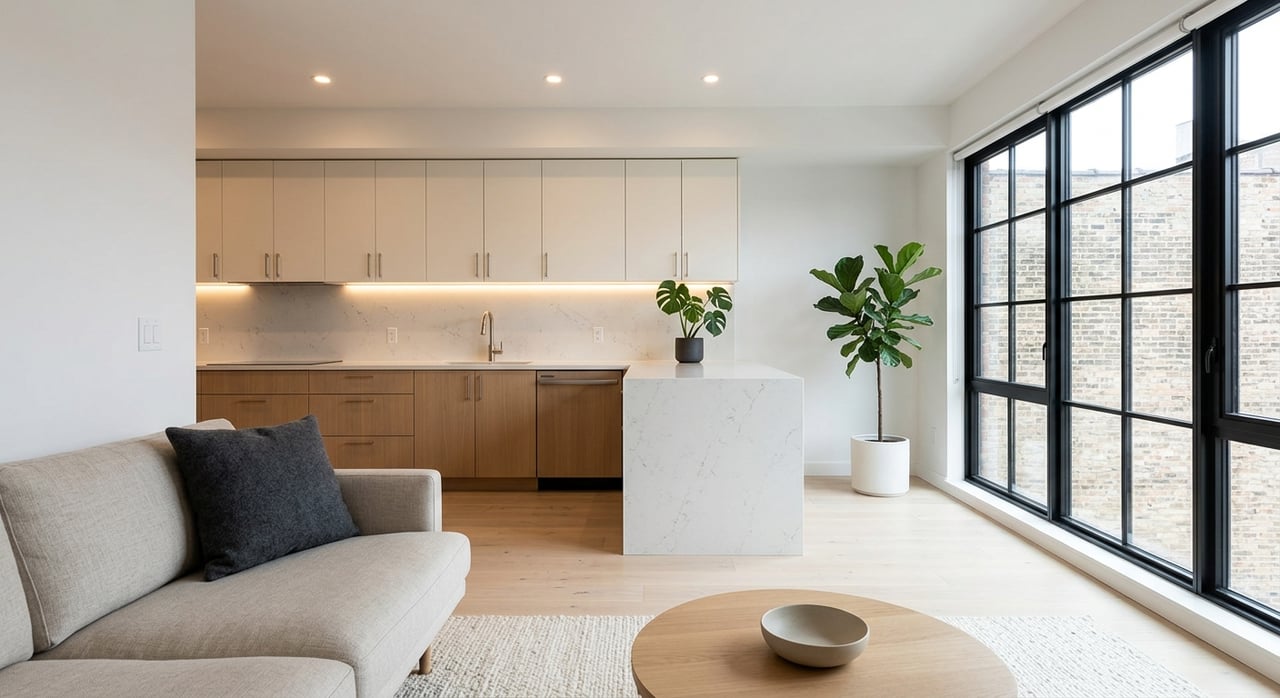
High-end kitchens and baths signal quality and lifestyle. Custom millwork, stone counters, and premium brands like Sub-Zero, Wolf, or Miele are common expectations at the luxury tier. National remodeling research shows kitchen upgrades strongly influence buyer willingness to pay, although the return on investment varies by scope. 2025 Remodeling Impact Report
Lateral layouts with wide living spaces and tall ceilings often trade at a premium because they change how square footage lives. One-per-floor or large-format residences, common in some boutique buildings and penthouses, tend to hold value because the experience is hard to replicate.
In downtown Chicago, deeded parking is often sold separately. It commonly adds roughly $20,000 to $40,000 to total acquisition cost, depending on the building, whether the spot is deeded or leased, and if it is tandem or single. Storage cages and private terraces also move value, so confirm what is included in the list price and what is a separate negotiation.
Lenders evaluate the condo project, not just your unit. Buildings with low reserves, high delinquency, excessive investor concentration, active litigation, or major undisclosed capital needs may face stricter underwriting. If many buyers need conventional financing, a building’s eligibility can expand or shrink the buyer pool and affect resale demand. Fannie Mae condo project review standards
Warrantable vs. non-warrantable: why it matters
- Warrantable projects meet Fannie Mae and Freddie Mac standards, which typically makes financing more accessible and pricing more liquid.
- Non-warrantable projects may limit you to certain lenders, cash, or jumbo loans. Confirm eligibility early to avoid surprises and to tailor your negotiation strategy.
- If you rely on FHA or VA, check whether the building appears on the approved list. Many boutique or luxury buildings are not FHA-approved. FHA condo approval basics
Illinois law shapes how associations disclose, assess, and operate. A condo-experienced attorney can explain current requirements and the impact of recent amendments that affect records and owner protections. Illinois Condominium Property Act reference
Use this checklist before you remove contingencies. Share it with your lender and attorney so everyone is aligned on timing and scope.
Association financials. Ask for the adopted budget, most recent financials, reserve balance and study, aged receivables, and bank statements for operating and reserve accounts.
Minutes and upcoming projects. Request 12 to 24 months of board or HOA minutes. Scan for votes on assessments, contractor disputes, deferred repairs, or large capital work.
Parking and storage. Verify whether parking and storage are deeded or leased, included or separate, and confirm recent transfer prices.
Project eligibility. Have your lender start the condo questionnaire early and review Fannie Mae or Freddie Mac requirements to confirm warrantability. Condo project review overview
Insurance adequacy. Review the master policy type, coverage limits, deductibles, and what your HO-6 must cover.
Inspections. Get a standard unit inspection. For older or complex buildings, add an engineer’s review of risers, roof, facade, elevators, and major systems.
Occupancy and investors. Ask for owner-occupancy ratios and investor concentration, since these can affect financing and resale liquidity.
Legal review. Have a condo-savvy attorney review the declaration, bylaws, rules, leasing policies, and voting thresholds for assessments or changes. Illinois condo law reference
How to use this checklist: Request these documents immediately after offer acceptance and before you waive document contingencies. Ask your lender to confirm project eligibility before the inspection contingency expires so you can pivot on terms or timeline if needed.
River North gives you a rare mix: authentic lofts with volume and texture, and full-service towers that deliver view-forward living and deep amenity sets. If you focus on view quality, building condition and reserves, finishes, and floor plan, you will understand why similar-looking listings can price very differently. Confirm project eligibility early, separate parking and storage in your negotiations, and lean on a local advisor who knows which buildings trade cleanly.
If you are ready to tour, compare buildings, or pressure-test pricing for a specific unit, reach out to Haylee Stone for clear guidance and a calm, data-informed plan.

Haylee has a reputation for consistently carrying one of the most impressive luxury listing platforms in the marketplace. Contact Haylee today for a free consultation for buying, selling, renting or investing in Chicago.
HAYLEE STONE
900 N MICHIGAN AVE STE 800 CHICAGO IL 60611