Torn between a character-filled walk-up, a sleek new condo, or a modern townhouse in Bucktown or Wicker Park? You are not alone. With so many distinct home styles on the Near Northwest side, choosing can feel overwhelming, especially when prices, fees, and lifestyle trade-offs vary so much. In this guide, you will learn the defining features of each home type, typical price signals, key pros and cons, and a simple framework to match your priorities to the right property. Let’s dive in.
Quick market pulse and lifestyle context
If you want a current sense of value, use date-stamped figures. Median sale prices in recent aggregator snapshots were approximately $725,000 in Bucktown and $799,000 in Wicker Park (Redfin, Jan 2026). Different providers track different metrics, so short-term swings and methodology differences are normal. Always use live MLS data when you are ready to write an offer.
Lifestyle is a major draw here. Parts of Wicker Park form a recognized landmark district, and the neighborhood centers around the historic park and vibrant commercial corridors. Bucktown stretches just to the north with boutiques, cafes, and newer infill. Learn more about Wicker Park’s landmark context and history in this overview of Wicker Park as a landmark district.
Both neighborhoods are highly walkable. Walk Score places Wicker Park in the mid to high 90s and Bucktown in the low 90s, with strong transit access and bike infrastructure. Blue Line stations and The 606 make car-light living realistic for many residents. You can explore the area’s walkability via Walk Score’s Wicker Park page.
Vintage walk-ups and two- or three-flats
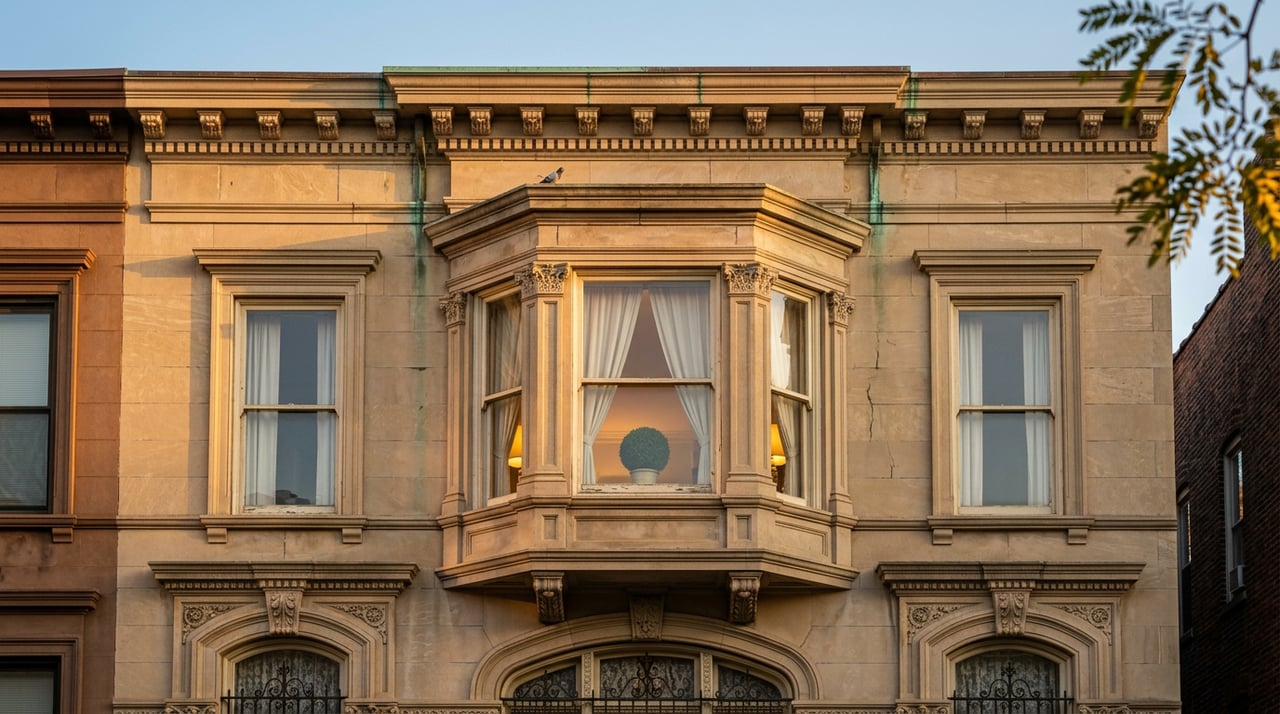
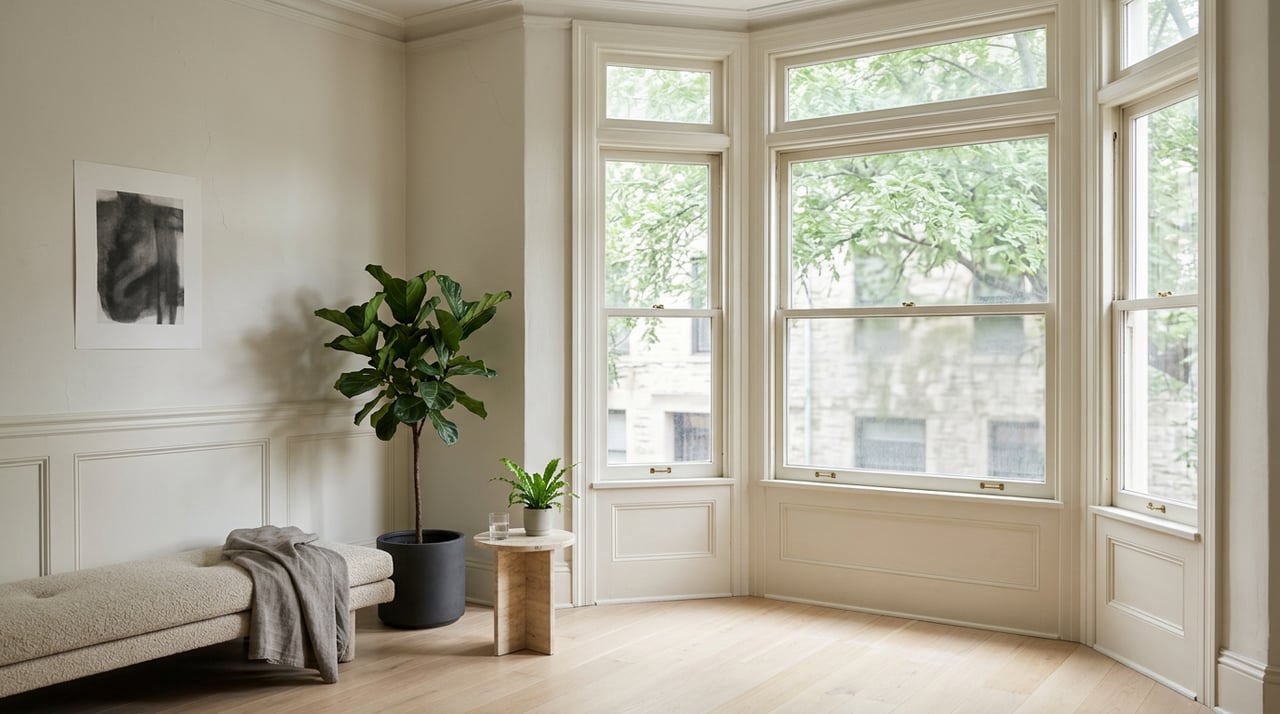
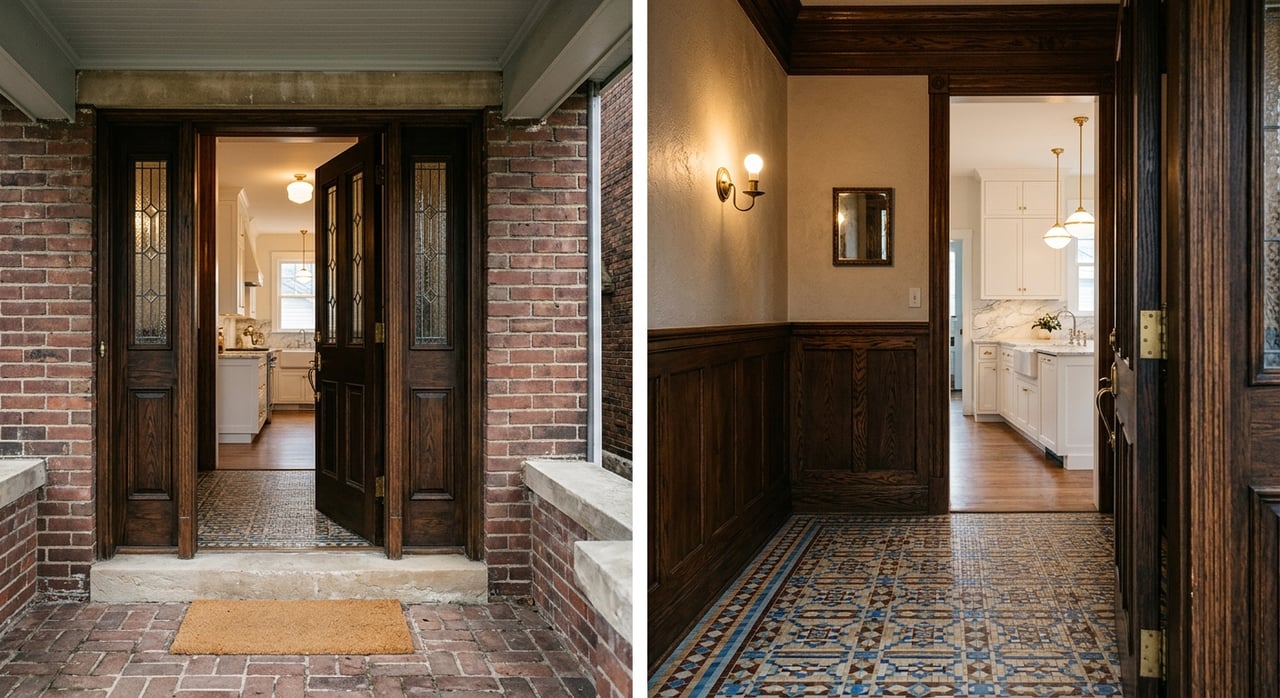
Vintage two- and three-flats are a Chicago hallmark. Many in Bucktown and Wicker Park were built before 1940 and feature bay windows, tall ceilings, hardwood floors, and brick or greystone facades. The Chicago Architecture Center profiles the type here: two- and three-flats.
Why you might love it
- Character-rich details and classic curb appeal.
- Flexible ownership paths: buy a whole 2–4 unit for owner-occupancy with potential rental income, or choose a condo-converted unit.
- Owner-occupant financing for 2–4 unit properties can be more flexible than large multifamily, which helps some buyers qualify.
What to weigh
- Older mechanicals can mean higher maintenance. Budget for masonry, tuckpointing, roof, boilers, and plumbing or electrical updates.
- Stairs in walk-up buildings reduce accessibility, and many lack elevators.
- Parking can be tight. Off-street spots or garages may be separate or limited.
Price signals and fit
- Whole 2–3 unit buildings often sell in the mid six-figure to low seven-figure range depending on lot width and condition.
- Converted condo units commonly range from the low $300,000s to the upper $600,000s for 1–2 bedrooms, with larger units higher. Check live MLS data for current pricing.
- Best if you value vintage character, want potential rental income, and are comfortable managing older-building upkeep.
Due diligence checklist
- Verify separate utilities or metering, and review building permits for any conversions.
- Inspect roofing, masonry, porches, and boiler systems, and look for signs of water intrusion.
- When considering a multi-unit for owner-occupancy, confirm typical rents and any required local rental registrations.
Converted lofts
Bucktown and Wicker Park are known for adaptive-reuse buildings that once housed factories or warehouses. Units often showcase exposed brick, timber beams, oversized windows, and open floor plans. The Flatiron Arts Building is a cultural anchor, and local coverage notes continuing ownership and redevelopment activity, including the recent sale of the Flatiron.
Why you might love it
- Dramatic volume with high ceilings and large windows, plus strong architectural character.
- Proximity to galleries, restaurants, and nightlife along Milwaukee, Damen, and Division.
What to weigh
- Sound transfer can vary in older conversions. Assess floor and wall construction.
- Parking may be limited or sold separately.
- Some buildings may be in flux with partial conversions or future redevelopment plans. Confirm status and review building documents.
Price signals and fit
- Boutique 1–2 bedroom lofts often appear in the mid $300,000s to $700,000 range, with large designer or penthouse lofts at $1 million or more. Live listings will refine these bands.
- Best if you prioritize open-plan living, character, and a vibrant setting. Less ideal if you want maximum privacy or the quietest environment.
Due diligence checklist
- Confirm legal residential conversion and certificate of occupancy.
- Review condo association minutes, reserves, and planned work.
- Check for mixed-use considerations, including ventilation, odors, and noise.
New-construction condos
Boutique elevator buildings and mid-rise infill line key corridors across Wicker Park and Bucktown. Expect modern layouts, in-unit laundry, energy-efficient systems, outdoor space such as balconies or rooftop decks, and assigned or lift parking in many buildings.
Why you might love it
- Turnkey living with new mechanicals and modern finishes.
- Elevator access and amenities can simplify daily life.
- Warranties and lower near-term maintenance needs.
What to weigh
- Monthly HOA dues are meaningful. Mid-range buildings often fall in the mid-hundreds per month, while luxury buildings trend higher.
- Newer projects sometimes require presales and initial reserve funding, which can increase cash to close.
- Micro-markets can be competitive at resale if many similar units list at once.
Financing you should know
Condo project approval matters. Lenders often review the project for reserves, insurance coverage, litigation, and investor concentration. If a project is non-warrantable, financing choices can narrow and down payments or rates may increase. Share your target building with your loan officer early and review relevant guidelines like these condo project considerations.
Price signals and fit
- Smaller 1–2 bedroom units often start in the low $400,000s and scale up. Larger 3 bedroom or duplex penthouse units commonly reach $1 million plus. Confirm ranges with live MLS data.
- Best for buyers seeking low-maintenance, elevator access, and contemporary finishes.
Due diligence checklist
- Review the HOA budget and reserve study, insurance certificates, past 12–24 months of minutes, and any special assessment history.
- Confirm rental policies and short-term rental rules.
- Verify parking and storage allocations and any developer warranties.
Modern single-family homes and townhouses
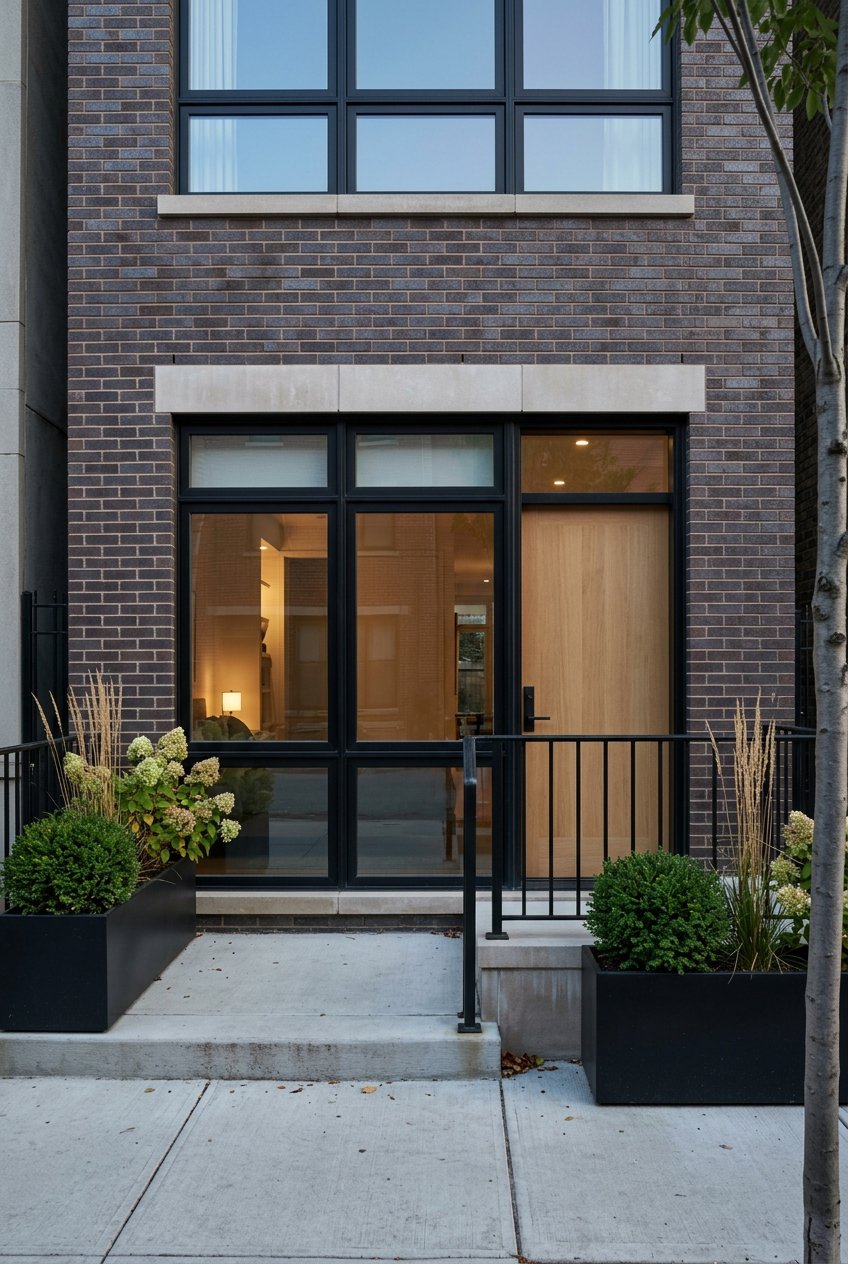
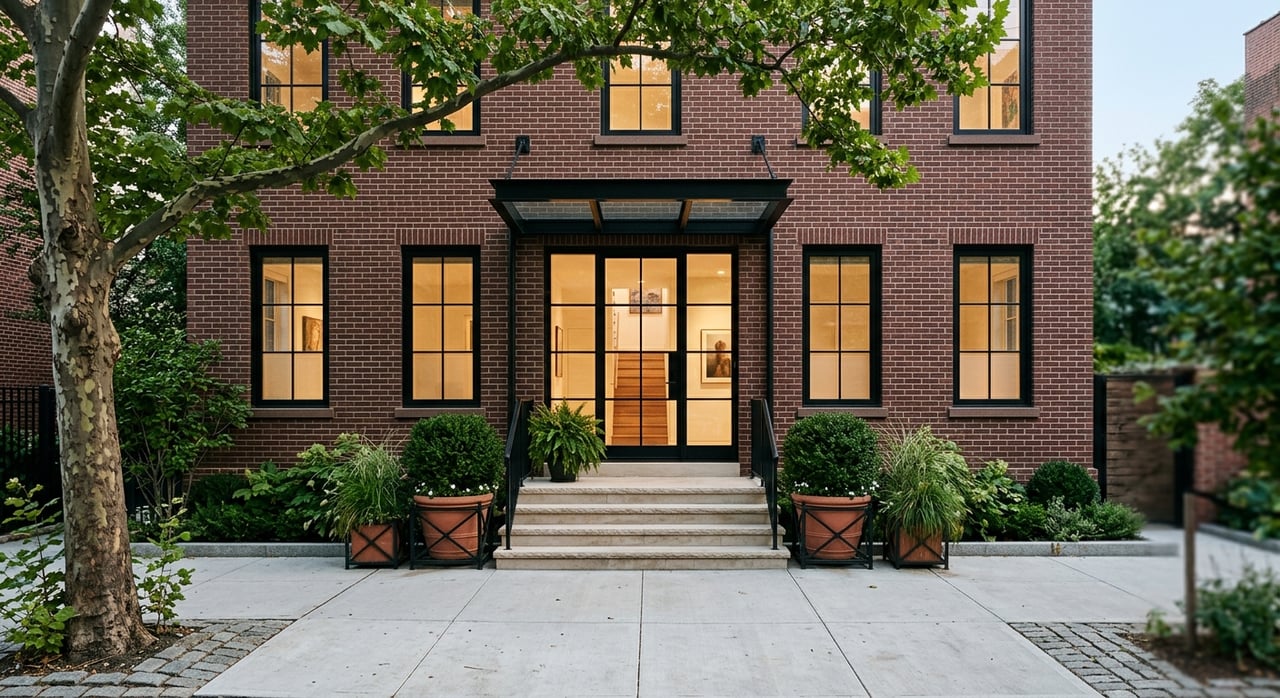
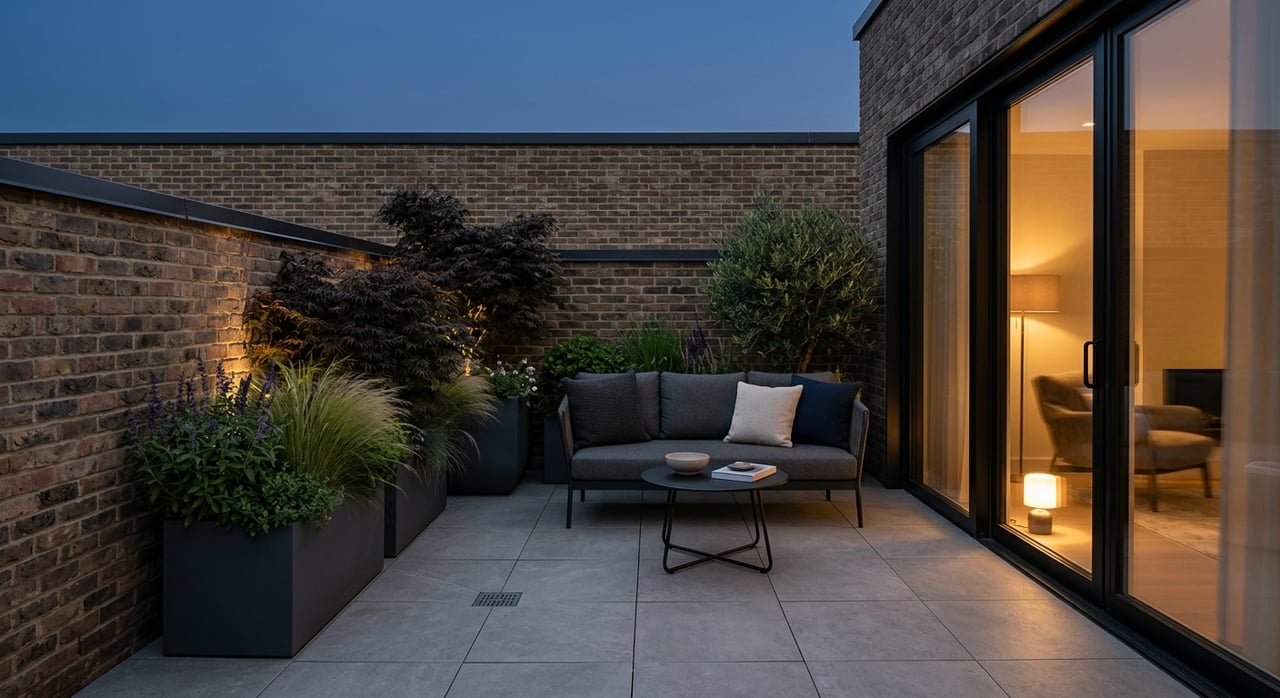
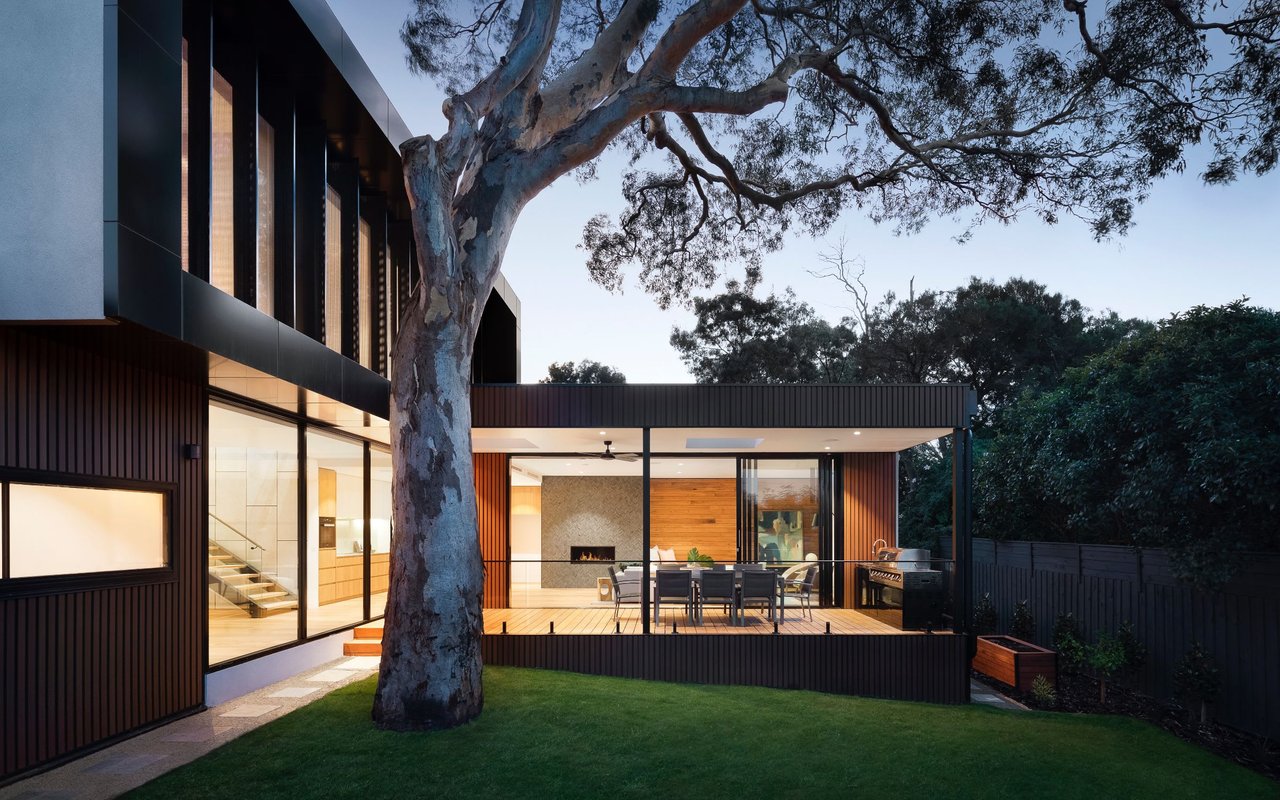
Infill over the last two decades has brought modern fee-simple townhouses and architect-designed single-family homes to many blocks. Lots are often narrow, so outdoor space can be a small rear yard or a generous roof deck. Attached garages off the alley are common.
Why you might love it
- Privacy, dedicated outdoor space, and a conventional single-family layout.
- Garage parking and storage help with bikes and gear.
- No or limited HOA involvement for fee-simple homes.
What to weigh
- Higher price points than many condos, especially for newer construction.
- Quality can vary by builder, so inspections and builder references are essential.
- Zoning and permit history matter for deconversions or teardowns. Use city resources to understand what was allowed on the lot.
Price signals and fit
- Expect high six figures to several million depending on size, finish level, and lot width. Townhouses frequently list in the roughly $700,000 to $1.5 million band, with larger bespoke single-family homes above that. Confirm with current MLS.
- Best for households that want private outdoor space, a garage, and separation of rooms.
Due diligence checklist
- Verify building permits for any prior teardown or major work, and request final inspection sign-offs.
- Review drainage, grading, and alley access.
- For recent builds, confirm the builder warranty and ask for references and subcontractor lists. If you are exploring zoning questions or connected communities policies, this primer on local rules is a useful starting point: Chicago zoning and connected communities overview.
Rules that can shape your plans
ADUs and conversion rules
Chicago has expanded options for accessory dwelling units and certain ground-floor conversions in specific areas. Eligibility depends on the address, building age, and program rules. Start with this summary of ground-floor and related conversion policies and confirm specifics with the City for any project you are considering.
Ground-floor commercial to residential
Some long-vacant commercial spaces on mixed-use corridors now have a clearer path to residential conversion. Ordinance updates and administrative adjustments have eased approvals in defined cases. See this law firm’s overview of expanded eligibility for commercial-to-residential conversions, then verify zoning and required reviews for your address.
Condo project approval and insurance
A condo building’s financial, legal, and insurance profile can affect your loan options and terms. Discuss project eligibility with your lender early, and review guidance such as these condo project underwriting considerations to understand how reserves, litigation, and insurance coverage are evaluated.
Landmark district protections
Parts of Wicker Park fall within a Chicago Landmark District and are also listed on the National Register. Exterior work and demolition on protected properties are subject to additional review. Learn about the district’s context here: Wicker Park landmark profile. Always confirm the landmark status of a specific address before planning exterior changes.
Match your priorities to a home style
Use this quick framework to focus your search:
- Lowest maintenance, elevator, turnkey ease: new-construction condo. Expect HOA dues and a thorough review of association documents.
- Architectural character, open plan, close to galleries and nightlife: converted loft. Confirm legal residential status and assess noise and building management.
- Rental income with owner-occupancy options: two- or three-flat. Verify mechanicals, separate utilities, and local rental licensing.
- Private outdoor space and garage: modern single-family or townhouse infill. Confirm permits, drainage, and lot coverage rules.
Budget signals to include upfront
- Mortgage principal and interest per your lender scenario.
- Property taxes for the specific address.
- HOA dues if condo, plus a reserve contribution estimate.
- Utilities and maintenance. Older vintage buildings can have higher heating or repair costs.
- Parking, whether included, deeded, or rented off-site.
How to tour smart in Bucktown and Wicker Park
- For vintage walk-ups: focus on roof age, tuckpointing, porches, boiler type and age, and any signs of water in the basement. Ask for recent masonry or roof invoices.
- For lofts: confirm residential conversion status, review condo minutes for noise or building work, and test sound transfer during a showing if possible.
- For new condos: study the HOA budget, reserves, insurance coverage, and any special assessments. Ask your lender to check project eligibility early.
- For modern single-family or townhouses: review permit history, drainage, and alley access. Walk the block at different times to gauge activity around commercial corridors or The 606.
- For all homes: consider Walk Score and transit access, proximity to parks, and your daily routines. Check walkability indicators on Walk Score to validate how a location fits your lifestyle.
Ready to find your fit?
Choosing the right style in Bucktown and Wicker Park is about balancing vibe, maintenance, budget, and long-term plans. If you want help narrowing your options, benchmarking value, and avoiding surprises in HOA or permit reviews, let’s talk. With boutique, high-touch guidance and data-informed advice, you can move forward with confidence.
Connect with Haylee Stone to start your search or request an instant home valuation.
FAQs
How do Bucktown and Wicker Park home prices compare right now?
- Recent aggregator snapshots showed median sale prices of about $725,000 in Bucktown and $799,000 in Wicker Park as of January 2026, but always verify with live MLS data before you write an offer.
What makes vintage two- and three-flats appealing to buyers?
- You get classic architecture and the potential for rental income in an owner-occupied 2–4 unit, but you should budget for older systems and masonry or roof work.
Are converted lofts a good fit if I am sensitive to noise?
- It depends on the building, since soundproofing varies in older conversions, so review building materials, test sound transfer, and check condo minutes for noise concerns.
What should I review before buying a new-construction condo?
- Examine the HOA budget, reserves, insurance, minutes, and special assessments, and ask your lender to confirm the project meets standard financing guidelines.
Do landmark rules affect renovations in Wicker Park?
- Yes, parts of Wicker Park are within a Chicago Landmark District, so exterior changes and demolition can require additional approvals and reviews for protected properties.