Old Town Chicago Neighborhood Guide: Living Here
What draws you to a neighborhood: character you can feel on the sidewalk, or easy access to the city’s best parks, culture and transit? In Old Town, you get both. From landmarked, tree-lined blocks to a buzzing Wells Street scene and quick trips to the Loop, daily life here is warm, walkable and distinctly Chicago. In this guide, you’ll learn what it’s like to live in Old Town, what homes look like, how prices stack up and how to decide if it’s the right fit for you. Let’s dive in.
Old Town sits on Chicago’s North Side near the lakefront, with commonly referenced boundaries running between North Avenue and Division Street, and from roughly Clark and Wells to Halsted and Clybourn. Exact edges vary by map and community group, so expect some listing descriptions to stretch those lines. At the heart of the neighborhood is the Old Town Triangle, a formally protected historic district known for intact Victorian and Italianate architecture. The Triangle’s landmark status has guided preservation and renovation review since 1977, shaping the area’s distinct look and feel.
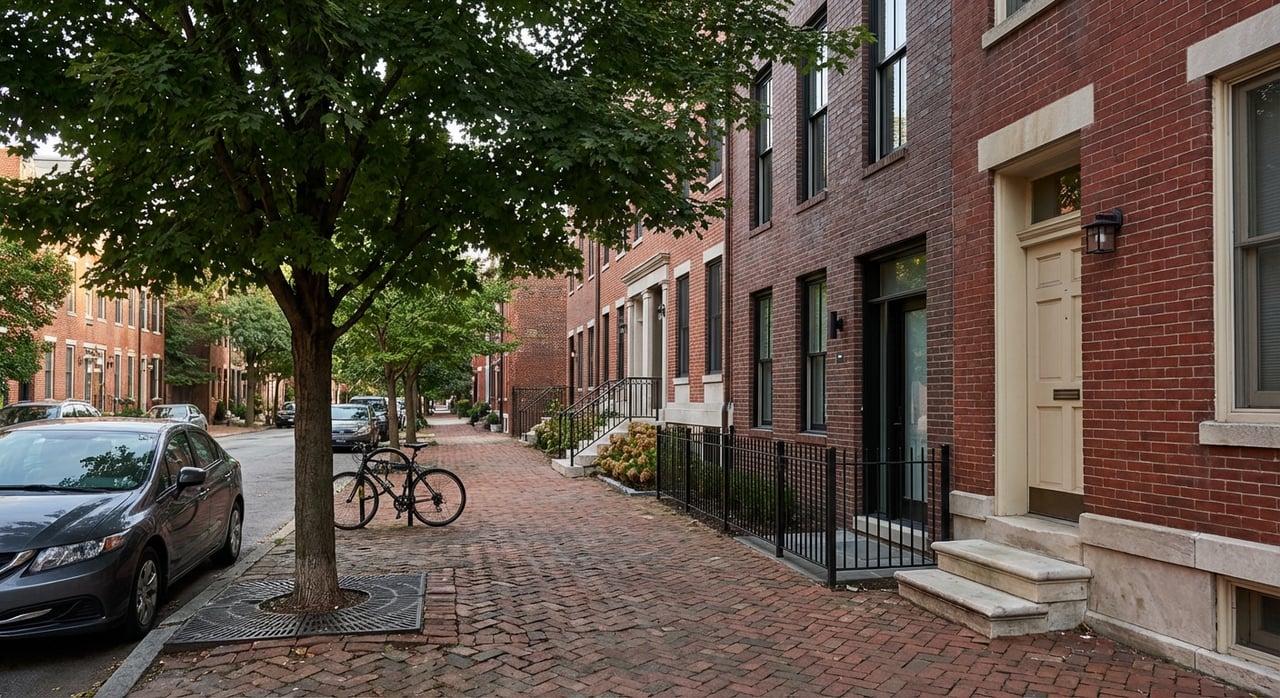
The neighborhood’s historic identity is a major part of its appeal. You’ll see greystones, brick walk-ups and rowhouses along leafy residential streets, with commercial energy focused on Wells Street and nearby corridors. For a deeper look at the district’s history and planning guidelines, explore the Old Town Triangle Association’s resources on the Historic District, Planning & Zoning committee, and the broader neighborhood’s story on the Old Town page on Wikipedia.
Old Town lives easily without a car. Walk Score rates much of 60614 in the low 90s, which means you can handle daily errands on foot. For transit, you have the Sedgwick station on the Brown and Purple lines inside or adjacent to Old Town, with the Red Line at North/Clybourn a short walk away. Getting to the Loop by train is routine during peak windows, helped by frequent bus routes along Clark, Wells and North.
Evenings and weekends bring a lively cultural buzz. The comedy scene is a local hallmark, led by The Second City and nearby stand-up venues along Wells. Each June, the neighborhood hosts the Old Town Art Fair, a long-running juried event and community fundraiser that draws major crowds to the Triangle. Restaurants, cafes and boutiques line Wells, where you can meet friends for a show or a late bite just steps from quieter residential blocks.
Outdoor access is a standout. You’re close to Lincoln Park’s signature attractions, including the zoo, conservatory and Nature Boardwalk. The Lakefront Trail and North Avenue Beach are within a short walk or bike ride for morning runs, weekend picnics or dog walks. These green spaces give Old Town a relaxed, outdoor-forward lifestyle that’s hard to match so close to downtown.
You’ll find a mix of historic and contemporary housing that changes block by block. On the side streets inside the Triangle and to the west, expect Victorian-era rowhouses, greystones and low-rise brick walk-ups, often with preserved details and more intimate floor plans. Along busier corridors and toward the lake, you’ll see mid-rise and high-rise condo buildings, plus townhome infill. This blend gives Old Town dual identities: cozy and residential on the side streets, more urban near main roads.
For pricing, different data sources use different methods and timelines, so expect some spread. Redfin reports a neighborhood median sale price of about $512,500 (Jan 2026). Zillow’s neighborhood index shows a typical home value around $412,375 (data through Dec 31, 2025). The gap reflects how each vendor defines the area and calculates values. In practice, prices vary widely by building type and finish level. A renovated walk-up townhome or greystone can price very differently than a one-bedroom in an east-side condo tower. Single-family or wider-lot townhomes are less common and often command a premium.
If you’re considering renting first, local rental indexes show a broad range depending on building, amenities and finishes. If you’re buying with the option to rent out later, check current, building-specific rental comps before committing.
Condo buyers should plan for HOA fees. Older walk-ups may have different maintenance needs than newer elevator buildings, and special assessments can arise. Parking is commonly sold or leased separately in central neighborhoods, so confirm whether a listing includes a deeded space or if you should budget for monthly garage rent nearby. Always review HOA reserves and financials and ask for building-level comps before you write an offer.
Choosing between Old Town, Lincoln Park and River North often comes down to vibe and housing stock.
If you want historic charm and a calmer side-street experience without giving up restaurants, theater and the lake, Old Town often makes the shortlist.
Use this quick checklist to shop Old Town like a local:
You’ll likely love Old Town if you want architecturally rich streets, strong walkability and a cultural scene you can enjoy without a rideshare. It’s a good fit if you like having the lakefront and Lincoln Park within easy reach while commuting downtown by train. If you need a larger yard or prefer blocks with more single-family options, you may also compare possibilities in neighboring areas.
If Old Town’s mix of history, culture and convenience speaks to you, you’re not alone. The right match comes down to block-by-block nuance, building health and the micro-trends shaping value on your shortlist. When you’re ready, let a local pro guide you through comps, building due diligence and a smart offer strategy. To start the conversation or get a quick read on your home’s value, connect with Haylee Stone.
Haylee has a reputation for consistently carrying one of the most impressive luxury listing platforms in the marketplace. Contact Haylee today for a free consultation for buying, selling, renting or investing in Chicago.
HAYLEE STONE
900 N MICHIGAN AVE STE 800 CHICAGO IL 60611