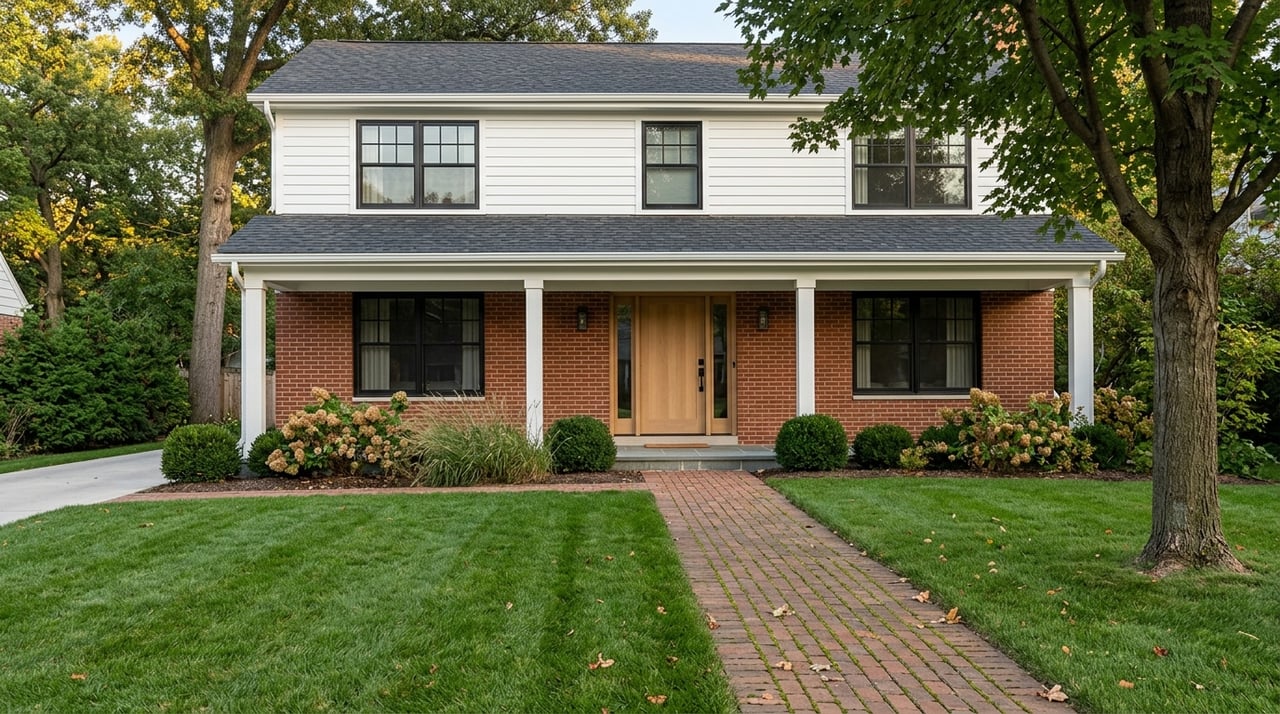
Sell or Buy First in Northbrook: How to Decide
Trying to time both sides of a move in Northbrook can feel like a high-stakes puzzle. You want to protect your equity, avoid unnecessary stress, and still land the right next home. The good news is that there is a smart way to think through this decision, and it starts with your finances, your timeline, and how flexible you can be during the transition. Let’s dive in.
Northbrook is active, but it is not the kind of market where every home disappears overnight. According to Zillow’s Northbrook home value data, the average home value is $688,265, up 8.0% year over year, with 84 homes for sale and a median time to pending of 14 days. That suggests buyers still need to move with purpose when the right home hits the market.
Other data sources show slightly different numbers, but the overall direction is similar. Realtor.com reports 143 homes for sale, a median list price of $599K, a median listing time of 23 days, and a 100% sale-to-list ratio, while Redfin describes Northbrook as somewhat competitive. In plain terms, there is inventory, but well-positioned homes can still move quickly.
That matters when you are deciding whether to sell first or buy first. In a market like this, timing is important, but so is flexibility.
For many Northbrook homeowners, selling first is the lower-risk path. If your down payment for the next home depends on the equity in your current home, or if you do not want to carry two mortgage payments at once, this option usually gives you more control.
Once your home is under contract or closed, you know your actual proceeds. That can make it much easier to set a realistic budget, choose the right financing, and write a stronger offer on your next home. You are not guessing about what your current home might sell for.
The contract side can help here too. The National Association of Realtors explains that home-sale and home-close contingencies can give buyers time to sell or close their current home before completing the next purchase. These tools can reduce risk, especially when your move depends on that sale.
Northbrook homes are still moving in a matter of weeks based on current market data. That means selling first does not necessarily mean sitting on the sidelines for months waiting for your home to sell. In many cases, it can put you in a cleaner position to act when the right property appears.
Selling first can also help you avoid overextending yourself at a time when borrowing costs remain elevated. Illinois REALTORS forecasts point to rising prices and closed sales in the Chicago metro area, while mortgage rates remain above 6% for now. Freddie Mac reported a 30-year fixed average of 6.37% on April 9, 2026, so waiting for a dramatic drop in rates may not be the best strategy.
The biggest challenge is the gap between homes. If your sale closes before your next purchase is ready, you may need temporary housing, storage, or a short-term plan that keeps your move manageable.
One common solution is a rent-back. NAR notes that sellers can negotiate this type of post-closing occupancy, and Redfin’s explanation of rent-back agreements notes that many last 30 to 60 days. This can give you time to stay in your home after closing while you finalize your next move.
Buying first can be appealing because it lets you secure your next home before giving up your current one. If you are worried about finding a replacement home in Northbrook or nearby, that convenience can be hard to ignore.
Still, buy first usually works best when you have enough cash, enough income, and enough flexibility to carry overlap for a short period. This is especially true if your next purchase depends on financing that has to account for multiple obligations at once.
Fannie Mae’s bridge and swing loan guidance makes this clear. Lenders must document that a borrower can successfully carry payments for the new home, the current home, the bridge loan, and other debts. That is a much higher bar than a standard purchase.
Buying first may be a reasonable strategy if:
This can be especially useful for move-up buyers who do not want to miss a specific home. It is a convenience play, but it only works well when the financial side is solid.
Bridge financing can help, but it comes with added complexity. Fannie Mae allows bridge or swing loans as acceptable sources of funds in some cases, but bridge loans are short-term loans and typically carry higher rates, points, and fees than conventional mortgages.
That means buying first can create pressure from several directions at once. You may be juggling underwriting requirements, carrying costs, and the need to sell your current home on a realistic timeline. For most households, that is only worth it when there is a very clear reason to secure the next property first.
You do not always have to choose between a rushed sale and a financially stretched purchase. Several contract tools can make the transition smoother when they are structured well.
According to NAR’s contingency guide, the most common options include:
These tools matter because they give you more ways to align the timing of two transactions. They can also help preserve negotiating leverage when one side of the move needs a little more time.
If you buy before your current home is fully closed, your offer may include a contingency. NAR explains that sellers can still continue to show the property and may use a kick-out clause if another acceptable offer comes in.
That does not make contingent offers impossible. It just means they need to be timed carefully, priced appropriately, and supported by a realistic plan.
If you are wondering which route is right for you, start with a simple question: Do you need the equity from your current home to buy the next one comfortably? If the answer is yes, selling first is usually the safer answer.
If the answer is no, then buying first may be possible, but only if your lender and your cash flow support it without strain. Convenience is helpful, but financial clarity is usually more valuable than speed.
A good planning process often includes modeling both paths:
This side-by-side approach can help you compare not just the numbers, but also the stress level of each option.
Northbrook’s current market does not strongly support waiting for a major shift. Prices have been rising, inventory has grown modestly, and borrowing costs remain above 6% based on the latest metro and mortgage data. That means your decision is less about trying to predict the market and more about choosing the move strategy that best protects your budget and your peace of mind.
For most committed move-up buyers in Northbrook, sell first is the safer default. It is especially sensible when your next down payment depends on current-home equity. Buy first is usually better reserved for households with strong liquidity or a lender-approved bridge plan.
If you are planning a move in Northbrook, the best next step is to map out both scenarios before you list or shop. A clear pricing strategy, realistic timeline, and thoughtful contract planning can make the process much smoother. If you want help weighing your options and building a smart move plan, connect with Haylee Stone.







Haylee has a reputation for consistently carrying one of the most impressive luxury listing platforms in the marketplace. Contact Haylee today for a free consultation for buying, selling, renting or investing in Chicago.

HAYLEE STONE
900 N MICHIGAN AVE STE 800 CHICAGO IL 60611