First-Time Home Seller Tips for Highland Park, Rock Island
If you are listing your first home in Highland Park, Rock Island, you are not just putting a house on the market. You are selling a property in one of Rock Island’s most distinctive residential areas, where historic character, exterior details, and buyer expectations can all shape your strategy. The good news is that with the right prep, pricing, and guidance, you can move forward with more clarity and less stress. Let’s dive in.
Highland Park is a locally designated historic district in Rock Island, bounded by 20th to 24th Streets and 16th to 18th Avenues, according to the City of Rock Island’s historic district materials. The neighborhood was first platted in 1895 and developed largely after 1904, with many homes built in brick or brick veneer. That setting gives your listing a very different story than a typical resale.
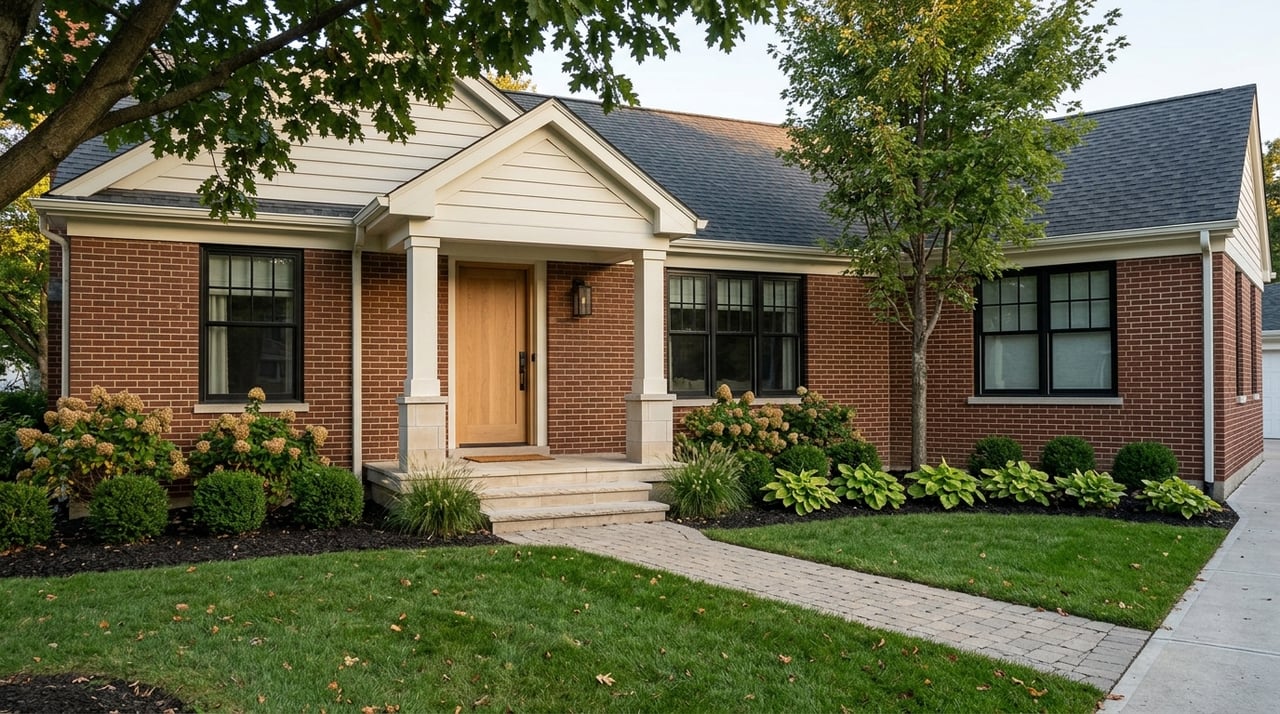
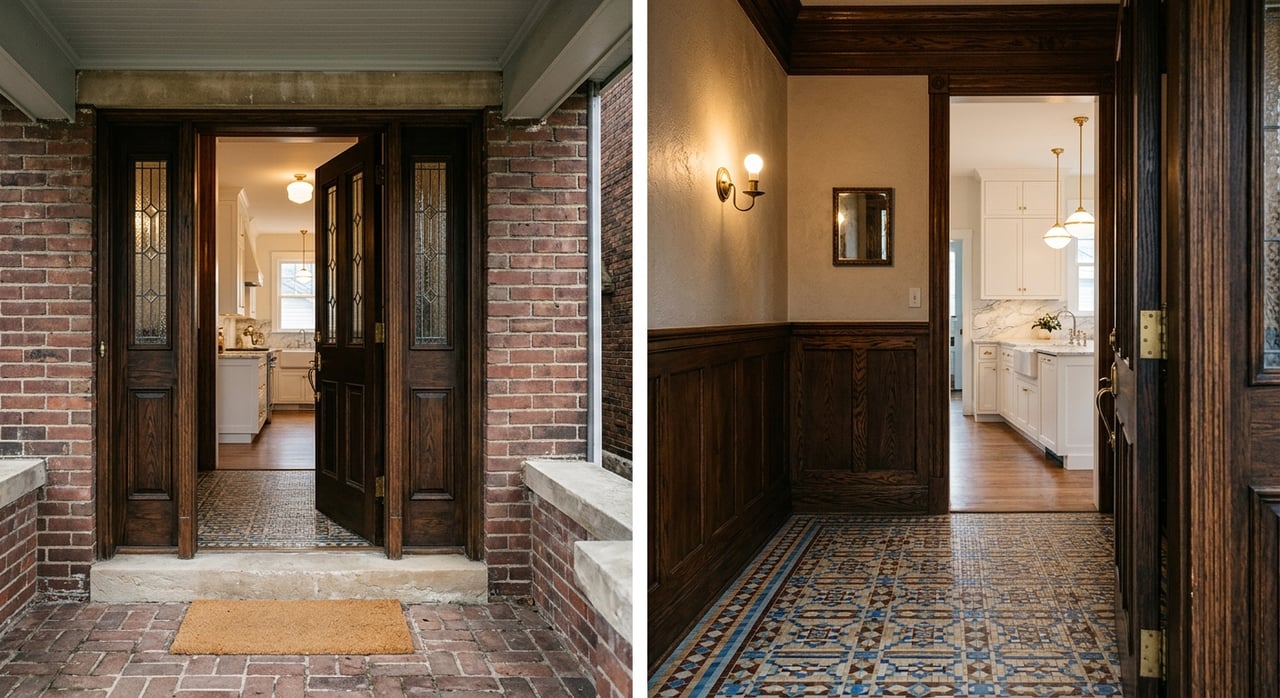
The neighborhood is also known for its historic architecture, brick streets, and bluff-top setting. Buyers may notice details like original millwork, masonry, built-ins, porches, and period design features. When you prepare your home for market, it helps to present it as a character property with thoughtful upkeep and documented updates.
Highland Park-specific pricing data is limited, so broader Rock Island and county-level trends are the best directional guide. Realtor.com’s local market overview shows Rock Island with 138 homes for sale, a median listing price of $130,475, and a median 40 days on market. The same source reports Rock Island County with a median sale price of $154,000, 571 homes for sale, 44 days on market, and a 97% sales-to-list ratio.
Those numbers are useful for context, but they are not a substitute for a detailed comparative market analysis. In a neighborhood like Highland Park, home style, condition, lot position, and preservation of original features can affect pricing more than broad averages suggest. That makes local comparable sales especially important before you decide on an asking price.
Before listing, it is smart to separate repairs into two categories: issues that affect buyer confidence and updates that simply improve presentation. The first category usually matters more. According to the National Association of Realtors consumer guide on preparing to sell, sellers should consider identifying major issues early, gathering warranties and manuals for systems that will stay, and getting estimates for larger repairs even if they do not plan to complete them.
For most first-time sellers, the most worthwhile pre-list work includes:
Cosmetic improvements can also help. NAR recommends decluttering, cleaning windows, carpets, walls, and lighting, and sharpening curb appeal before photos and showings. In Highland Park, though, any exterior work should be checked against local historic-district requirements before you begin.
This is one of the most important steps for Highland Park sellers. Because Highland Park is Rock Island’s only locally designated historic residential district, the city requires a Certificate of Appropriateness for exterior alterations. That means projects like exterior replacements or visible changes may need approval.
If you are thinking about repainting trim, replacing windows, changing doors, updating masonry, or altering porch elements before listing, pause first and confirm what is allowed. Even a well-intended exterior refresh can create delays if the work should have been reviewed in advance. For first-time sellers, this is a place where early planning can save both time and stress.
You do not have to get a pre-listing inspection, but it can be helpful. Both NAR and the American Society of Home Inspectors, as cited in NAR guidance, note that a pre-list inspection may help you identify issues early, price more accurately, and reduce last-minute repair negotiations.
That can be especially useful in an older home, where systems and materials may raise more buyer questions. A pre-list inspection does not guarantee a smooth transaction, but it can help you understand your home’s condition before buyers start doing their own due diligence. It can also help you decide whether to repair, disclose, or price around certain issues.
In Illinois, sellers of residential real property must provide the written disclosure report before the contract is signed. Under the Illinois Residential Real Property Disclosure Act, you are responsible for disclosing material defects you actually know about, but you are not required to conduct a special investigation.
The disclosure form covers topics such as:
Because Highland Park homes were largely developed in the early 1900s, lead-based paint disclosure may also apply in many cases. Federal law requires sellers of most homes built before 1978 to provide lead-based paint disclosure information, including any known information and available records, before sale.
The key idea is simple: disclose what you know, and do it on time. Good documentation can make this process easier.
Your first listing experience will likely feel smoother if your agent can explain the process in a way that is organized and easy to follow. The NAR guide on choosing a seller’s agent recommends asking about market experience, services, recent sales volume, pricing approach, marketing systems, buyer vetting, references, and communication style.
You should also ask how the listing agreement works and how compensation is handled. NAR notes that agent compensation is negotiable and not set by law. Beyond that, look for someone who can explain how they will position your specific home, not just list it.
For a Highland Park property, that plan should include more than square footage and bedroom count. It should highlight the home’s architecture, setting, and preservation details while also addressing condition, updates, and likely buyer concerns in a clear way.
Pricing is one of the biggest decisions you will make. According to NAR’s pricing guidance for sellers, the recommended asking price should reflect the home’s size, location, amenities, condition, comparable sales, current market conditions, and your timeline.
That matters even more in a historic district. Two homes in the same area can perform very differently based on updates, layout, condition, and character features. A broad city median can help frame the market, but your list price should be based on nearby comparable sales and how buyers are likely to view your home in today’s conditions.
Once pricing is set, presentation becomes your next advantage. NAR notes that agents may market a property through the MLS, showings, open houses, and other online methods, and may also recommend improvements that increase buyer interest.
In Highland Park, the story behind the home can be part of what draws attention. The neighborhood’s official historic materials point to its architectural variety, original brick streets, and bluff-top setting. Those details can help your listing feel memorable when paired with strong photography, thoughtful staging, and accurate property descriptions.
Staging can help as well. NAR defines staging as cleaning and temporarily furnishing or decorating a home so buyers can picture themselves living there. It is optional, but even light staging or styling can make rooms feel brighter, more functional, and easier to understand online.
When offers arrive, the highest price is not always the best offer. NAR advises sellers to compare financing strength, cash versus financed terms, contingencies, seller concessions, and overall likelihood of closing.
A strong offer often includes:
You should also ask how buyers are being vetted. NAR recommends discussing whether pre-approval letters will be required and how your agent will evaluate buyer readiness. A cleaner offer can sometimes produce a better overall outcome than a higher number with more risk attached.
Closing is the final step, but it involves several moving parts. The Consumer Financial Protection Bureau explains that the settlement agent handles the legal transfer of title and the distribution of funds, and consumers should review closing documents carefully.
On the local side, the Rock Island County Recorder’s Office handles deeds, mortgages, releases, and the PTAX-203 real estate transfer declaration. If you are selling for the first time, it helps to organize your mortgage payoff details, title questions, and any property record concerns before closing week arrives.
If you also want to review your property record or assessed value before listing, Rock Island County advises starting with the assessor and the assessment appeal process resources. Even if no appeal is needed, having your records in order can make the final stretch more efficient.
If you want a cleaner path to market, start here:
Selling your first home in Highland Park can feel like a lot, especially when you are balancing pricing, disclosures, repairs, and historic-district details. But with the right strategy, your home can be positioned in a way that respects its character and helps buyers see its value. If you want a thoughtful, marketing-driven plan for your sale, connect with Haylee Stone for personalized guidance.





Haylee has a reputation for consistently carrying one of the most impressive luxury listing platforms in the marketplace. Contact Haylee today for a free consultation for buying, selling, renting or investing in Chicago.

HAYLEE STONE
900 N MICHIGAN AVE STE 800 CHICAGO IL 60611