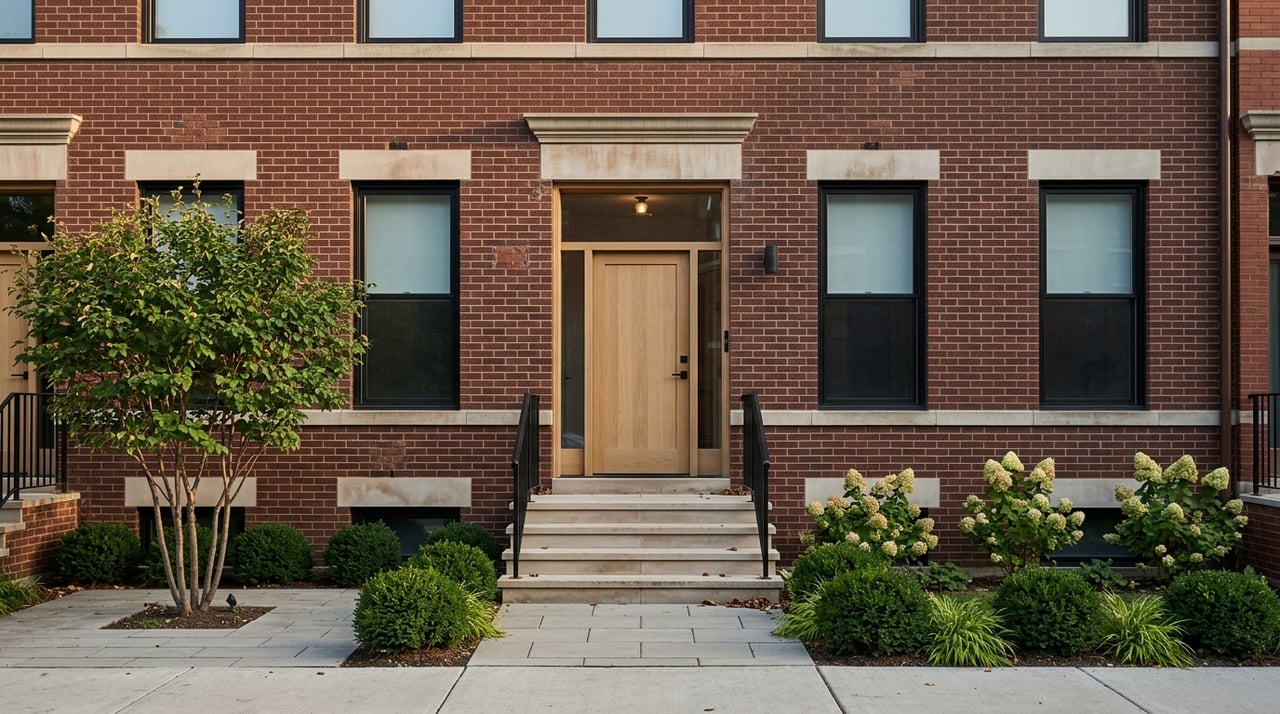
Logan Square Condo vs House: How to Choose Well
Trying to choose between a condo and a single-family home in Logan Square? You are not alone. In a neighborhood where well-priced homes can move quickly and inventory spans everything from entry-level one-bedroom condos to multi-million-dollar detached homes, the right choice usually comes down to how you want to live, what you want to spend each month, and how much responsibility you want to take on. If you are weighing both options, this guide will help you compare space, cost, maintenance, and long-term fit in a way that feels practical for Logan Square. Let’s dive in.
Logan Square is a competitive market, and that shapes how you should approach your decision. Redfin reports a March 2026 median sale price of $577,500 and median days on market of 41, with some homes receiving multiple offers and hot homes going pending in about 24 days.
That means your decision process should be clear before you start touring seriously. If you already know whether you value lower-maintenance living or more privacy and control, you will be in a much better position to act when the right property hits the market.
In Logan Square, condos usually offer a lower price entry point than detached homes. Current condo listings range from about $224,900 for a one-bedroom unit up to around $1.3 million for a larger penthouse, while many two-bedroom condos cluster roughly between $315,000 and $565,000.
Single-family homes start much higher. Current detached listings begin around $650,000 for a three-bedroom, three-bath home, with many larger homes listed from the high $700,000s to $1.5 million and beyond.
Here is the simplest way to think about it:
| Property type | Typical Logan Square price range | Common size range | Main trade-off |
|---|---|---|---|
| Condo | About $224,900 to $1.3M | Roughly 1,000 to 2,560 sq. ft. | Lower entry price, but HOA dues and shared ownership rules |
| Single-family home | About $650K to $2.999M | Roughly 1,900 to 7,000 sq. ft. | More space and control, but higher cost and more upkeep |
A condo may be the better fit if you want to get into Logan Square with a lower upfront budget. That does not automatically mean the monthly cost will be lower, but it often creates more options for buyers who want location and ownership without the price jump that usually comes with a detached home.
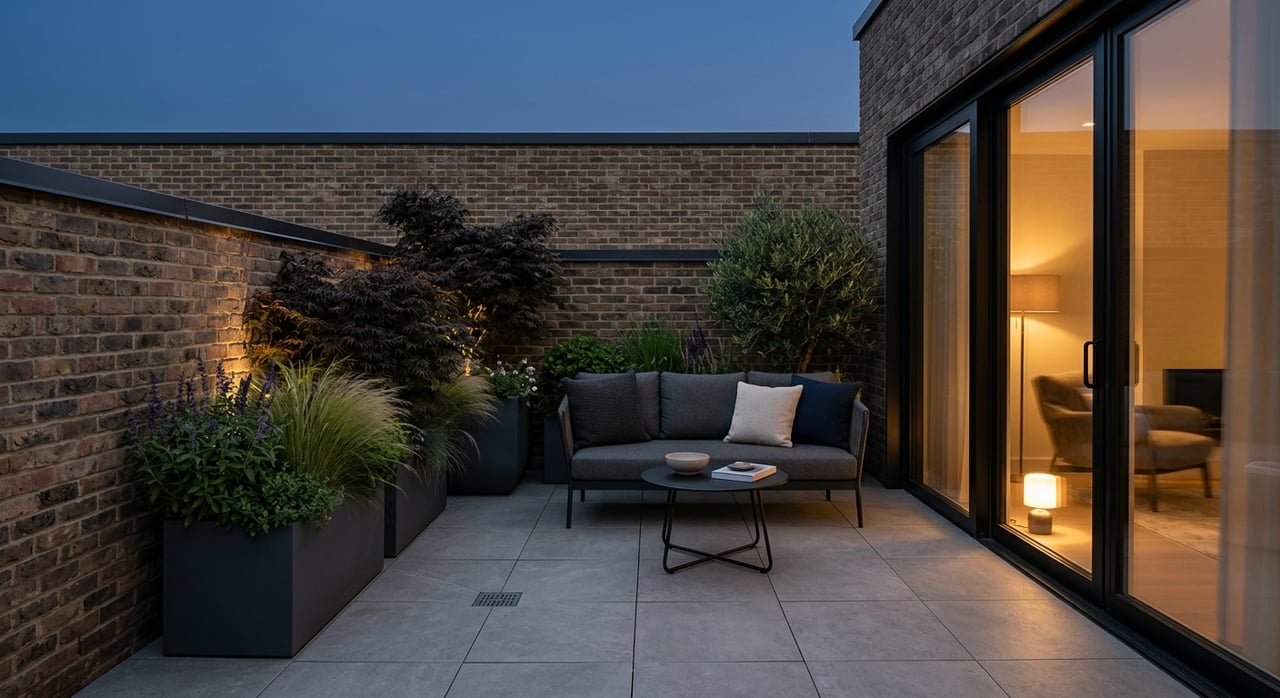
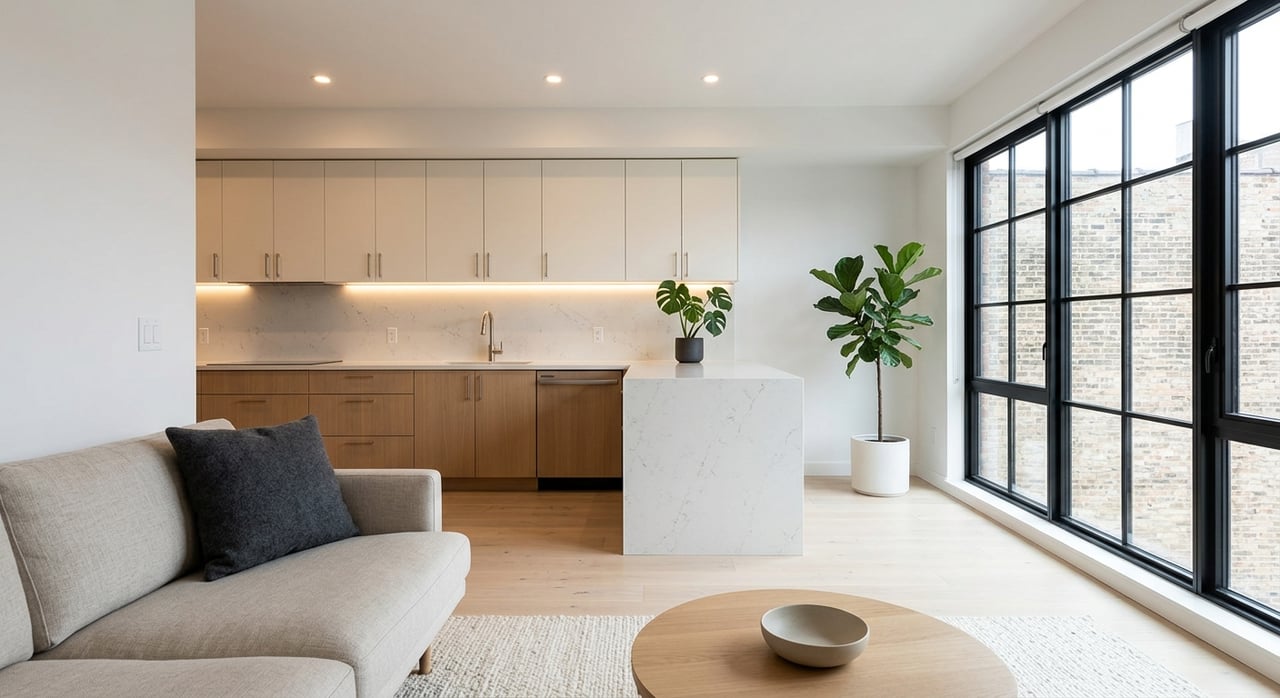
Condos in the current listing mix also offer a wide range of layouts and features. You may see garden units, shared laundry, balconies, garage parking, rooftop decks, and one- to three-bedroom floor plans. That gives you room to prioritize the features that matter most to your day-to-day life.
A condo can also make sense if you want less direct responsibility for exterior maintenance and shared spaces. Under Illinois condo rules, the association board generally handles maintenance, repair, replacement, insurance, budgets, assessments, and reserves for common elements and deferred maintenance.
Lower maintenance does not mean no maintenance. You are still typically responsible for your unit interior, and you also need to understand exactly what your HOA dues cover.
In Illinois, areas like balconies, terraces, patios, and parking spaces may be limited common elements rather than fully private space. That is an important distinction because it can affect maintenance responsibility, use, and insurance questions.
Before you move forward on a condo, review the association documents carefully. The Illinois guidance highlights the declaration, bylaws, reserve fund, insurance coverage, and any pending suits as important parts of buyer due diligence.
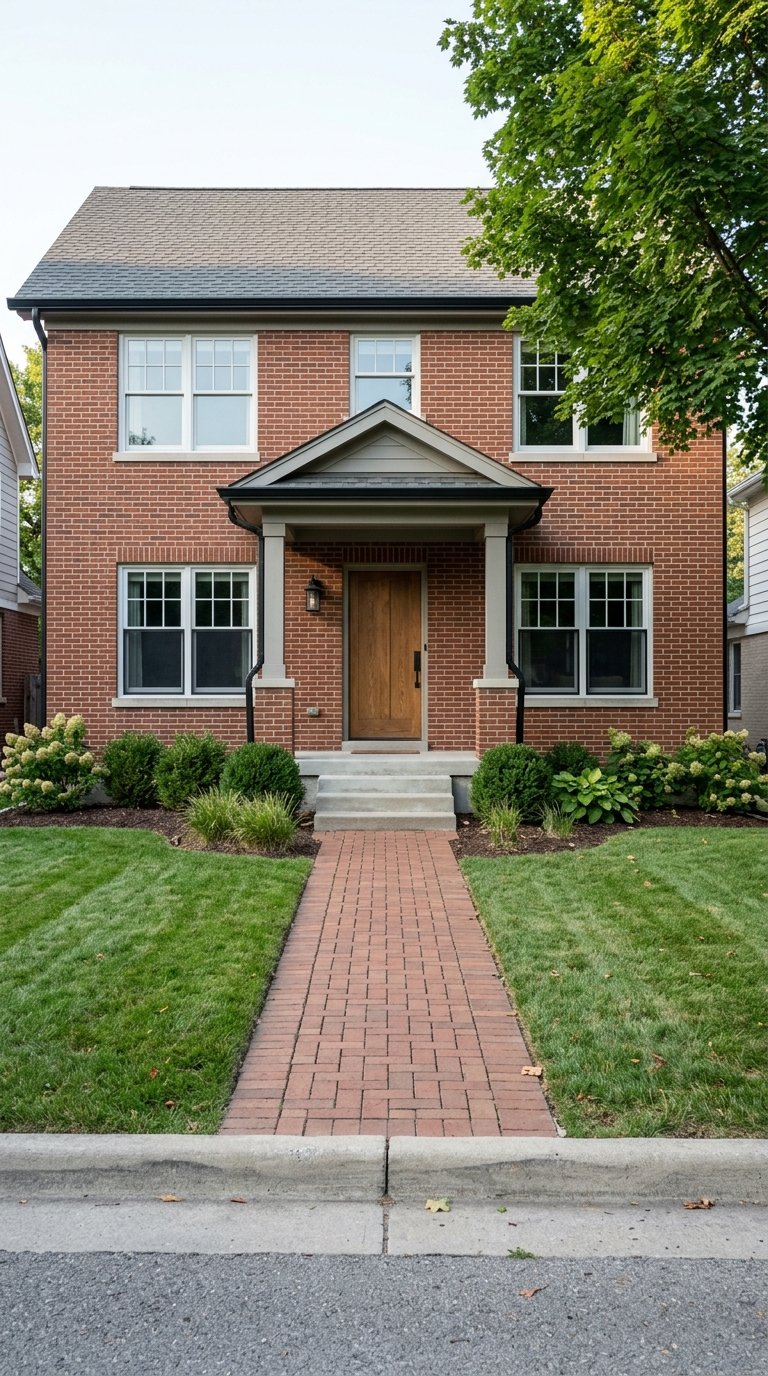
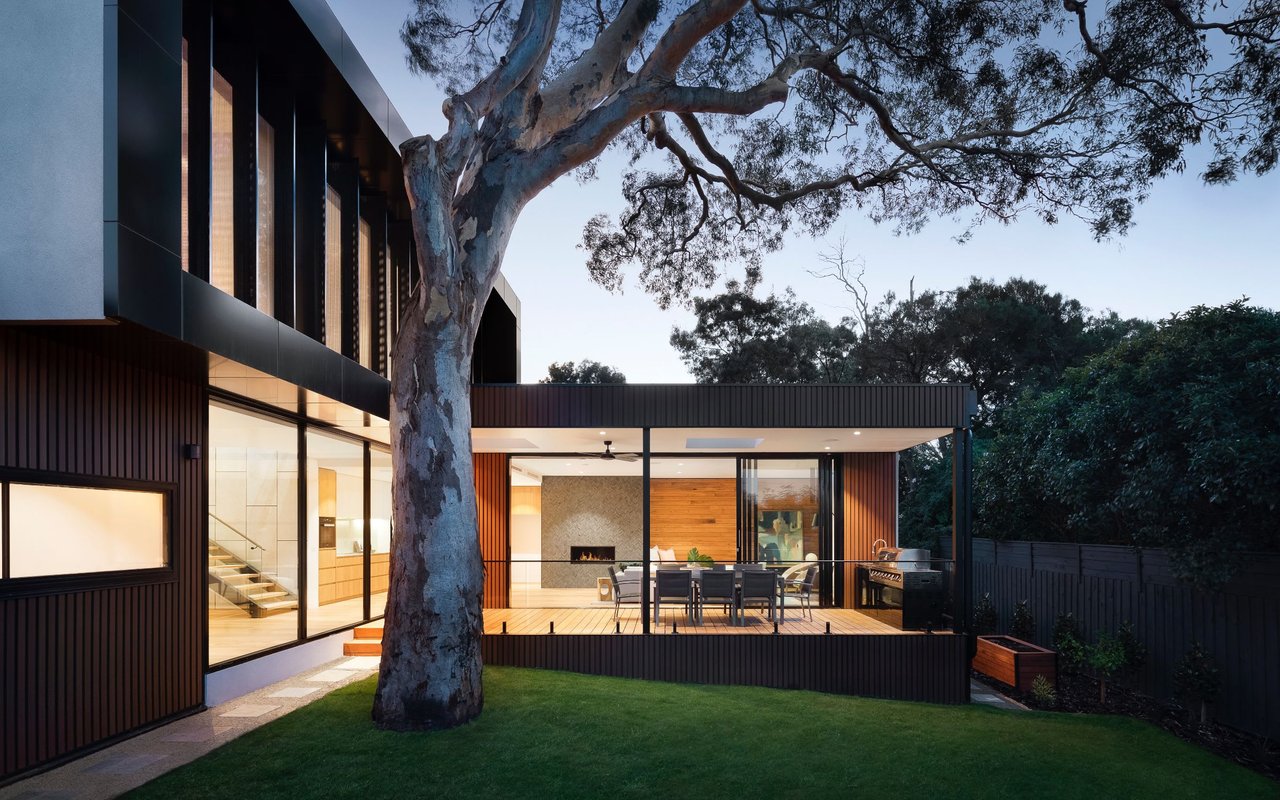
A single-family home may be a better fit if you want more space, more privacy, and more direct control over the property. In Logan Square, detached homes generally skew larger, often with three to six bedrooms and roughly 1,900 to 7,000 square feet in the current listing sample.
That added space can matter if you need flexible rooms for work, hobbies, guests, or longer-term life changes. It can also matter if you simply want a layout that feels less constrained than many condo floor plans.
A detached home may also appeal to you if you do not want association rules shaping day-to-day ownership. Some buyers prefer the simplicity of making their own decisions about repairs, updates, and property use, even if that comes with more hands-on responsibility.
More control usually means more upkeep. As a homeowner, you are generally responsible for repairs, property taxes, insurance, and any HOA dues if they apply.
You should also plan for maintenance beyond the monthly mortgage payment. The research report notes that buyers should set aside money for repairs, improvements, moving costs, and closing costs, and that routine home maintenance is an essential part of ownership.
In practical terms, a detached home usually requires a bigger repair mindset. Exterior work, plumbing, electrical systems, and heating or cooling issues fall more directly on you, so your budget needs room for the expected and the unexpected.
One of the biggest mistakes buyers make is comparing only list prices. In Logan Square, that can lead to the wrong conclusion, especially when a lower-priced condo comes with HOA dues or a higher-priced house comes with larger maintenance needs.
A better approach is to compare the full monthly number. Include your mortgage payment, property taxes, insurance, HOA dues if any, and a maintenance reserve.
This is where the condo versus single-family question often becomes clearer. A condo may have a lower purchase price but a meaningful HOA payment, while a detached home may have no HOA but require a larger ongoing maintenance cushion.
How long you expect to stay matters more than many buyers realize. Buying and selling come with costs, so a purchase usually makes more financial sense if you expect to stay put for at least a few years.
If your plans feel short-term or uncertain, that should shape how you evaluate both options. In some cases, a condo may offer a more manageable entry point, while in others, the long-term flexibility of a single-family home may be worth the added upfront cost.
The key is to match the property to the next several years of your life, not just the next several months. A home that works well for your time horizon is often easier to feel confident about, even in a fast-moving market.
If you are torn between the two, use this five-step filter:
If you are leaning condo, document review is not a side task. It is a core part of the decision.
Before writing or during due diligence, ask for the association budget, reserve fund information, insurance coverage details, and any pending litigation or major repair history. Illinois law gives owners the right to inspect many association records on written request, which makes this step especially important.
These documents can help you understand whether the building appears financially prepared for future maintenance and capital expenses. They also give you a clearer picture of what ownership will really feel like after closing.
In Logan Square, this decision is usually not about which property type is universally better. It is about which trade-off fits you better.
A condo often gives you a lower entry point and less direct exterior maintenance, but it also means shared governance and HOA dues. A single-family home often gives you more room, privacy, and control, but it usually requires a bigger budget and a stronger maintenance plan.
When you look at the current inventory and ownership structure side by side, the choice becomes more practical than emotional. You are deciding how you want to spend your money, your time, and your energy over the next several years.
If you want help comparing specific Logan Square listings through that lens, Haylee Stone can help you sort through the numbers, the trade-offs, and the timing with a clear local strategy.


Haylee has a reputation for consistently carrying one of the most impressive luxury listing platforms in the marketplace. Contact Haylee today for a free consultation for buying, selling, renting or investing in Chicago.
HAYLEE STONE
900 N MICHIGAN AVE STE 800 CHICAGO IL 60611