Chicago Two-Flat Basics for Logan Square Buyers
Thinking about buying a place that helps pay your mortgage? In Chicago, the classic two‑flat might be your smartest move. It gives you a home, a second unit for rental income, and a manageable way to learn the ropes of being a landlord. If you are eyeing Logan Square, you are in good company. Two‑flats are part of the neighborhood’s fabric and a favorite for house‑hackers.
This guide breaks down what a two‑flat is, how it fits into Chicago zoning and rental rules, your financing and insurance options, and a practical checklist to use before you buy. You will also learn strategies to set up your two‑flat for smooth ownership and solid cash flow. Let’s dive in.
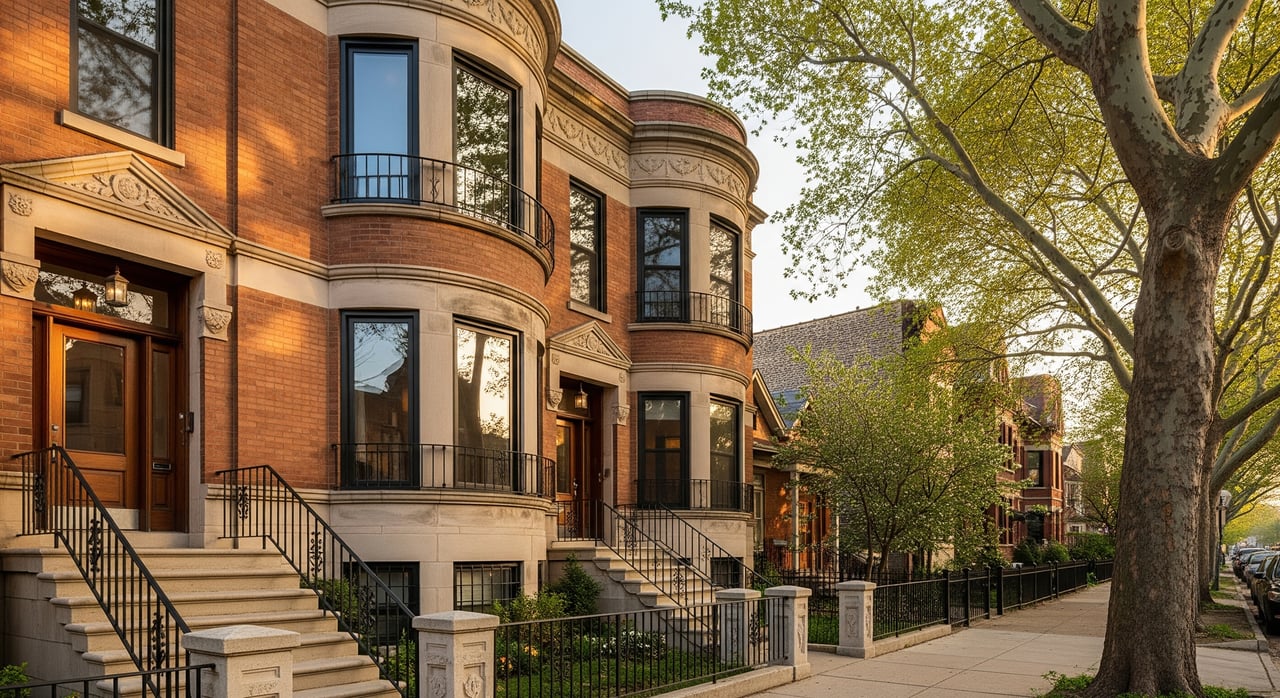
A two‑flat is a residential building with two separate dwelling units. In Chicago, the most common layout is stacked apartments, one per floor. Some have side‑by‑side, multi‑level units that feel like townhomes. Each unit typically has its own kitchen and bathroom, its own entrance or a shared lobby, and sometimes separate meters and utilities.
A two‑flat is a small multifamily property. It is not a condominium unless the building has been legally converted and the units are individually titled.
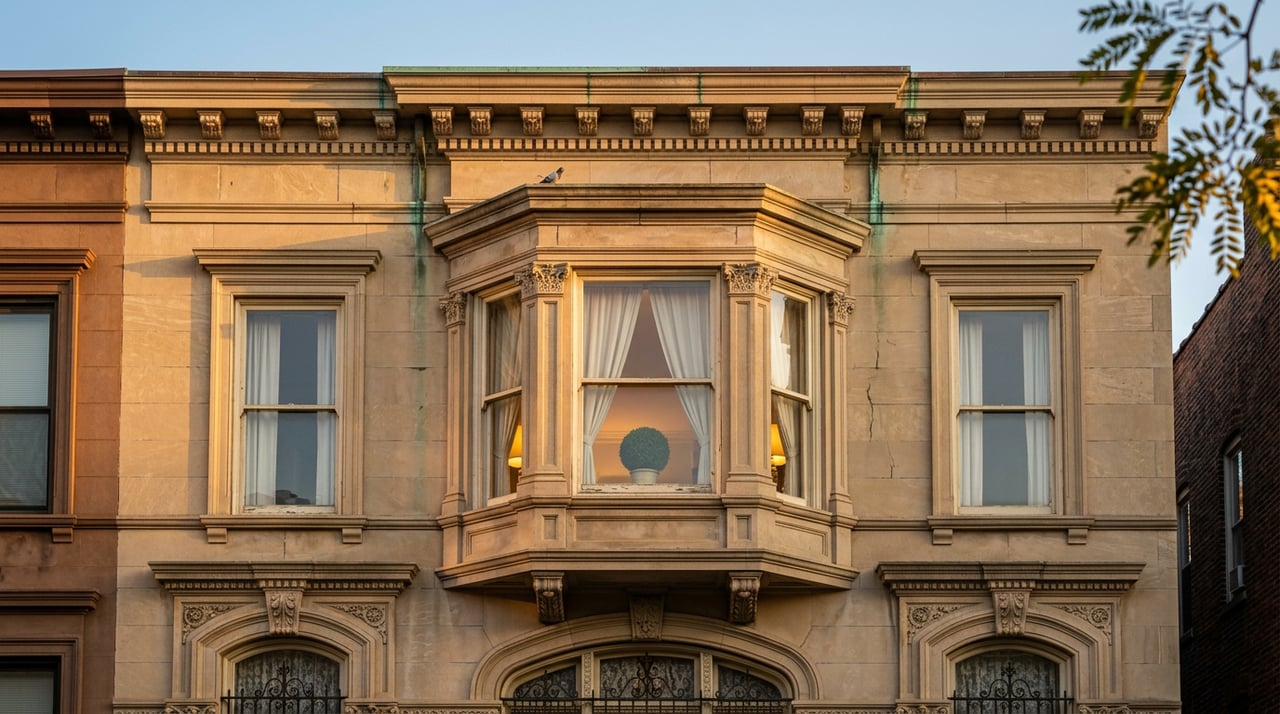
Logan Square’s streets include many early 20th‑century masonry two‑flats, including brick greystones and classic Chicago walk‑ups. Many were built before 1940, which means you should pay attention to older building systems, lead paint risk, and masonry or foundation upkeep. For first‑time investors and owner‑occupants, two‑flats offer a familiar residential feel with steady rental demand and simpler day‑to‑day management than larger buildings.
A two‑flat gives you income from the second unit, which can offset your mortgage and improve qualification with certain lenders. Financing and insurance are different from a single‑family home, and maintenance can be more complex because you are caring for two units, shared areas, and sometimes shared systems.
Compared with 3‑unit and larger buildings, two‑flats are easier to manage and finance, especially for an owner‑occupant. You will not get the same economies of scale, so expenses per unit can be higher, but the learning curve is friendlier. Many loan programs treat 2–4 unit properties differently than commercial assets, which can benefit you as a first‑time buyer.
Chicago zoning controls whether a two‑flat is allowed on a given lot. Many Logan Square blocks include zoning districts where two‑unit buildings are permitted, but you should always verify current rules through the Chicago Zoning Code and the Department of Buildings. Setbacks, lot coverage, parking, and density vary by district and can affect additions or conversions.
If you plan renovations, unit separation, a new kitchen, or changes to exits and egress, you will need permits and inspections through the City of Chicago Department of Buildings. Make sure the legal unit count matches city records. The recognized unit count matters for financing, code compliance, and rental eligibility.
Chicago has local landlord‑tenant rules that apply to multiunit rentals. The Chicago Residential Landlord and Tenant Ordinance sets standards for screening practices, security deposits, disclosures, and maintenance. The city also has registration and inspection requirements for rentals. Confirm current requirements before you list a unit.
If your building predates 1978, federal lead disclosure rules apply. Sellers and landlords must disclose known hazards and provide required EPA materials, and renovation contractors must follow the EPA Lead Renovation, Repair and Painting rule. Chicago and Illinois also require working smoke and carbon monoxide detectors. Local health and building codes cover heat, hot water, pest control, sanitation, and safe egress.
Chicago enforces federal fair housing law and adds local protections, including source‑of‑income and disability accommodations. Keep your policies, advertising, and screening consistent with these rules. If you are unsure, consult the Chicago Commission on Human Relations resources and a local attorney.
Note that down payment, reserves, and credit standards vary by program and lender. A strong pre‑approval is your first step.
Underwriting often includes a conservative allowance for rental income. A common practice is to count around 75 percent of scheduled rent to account for vacancy and expenses, though each lender sets its own rules. Owner‑occupant loans generally offer better terms than pure investment loans, which can help you qualify with a lower down payment.
Two‑flats are assessed under Cook County’s small multifamily classifications. Your tax bill depends on assessed value, classification, and available exemptions. Review the current classification, comparable assessments, and any past appeals. If the assessed value looks high compared with similar buildings, you can explore an appeal through county procedures.
Insurance for an owner‑occupied two‑flat is not the same as a standard homeowner policy. You will typically need a landlord‑friendly policy, such as a dwelling fire policy for the rental unit and coverage for your unit. Consider liability or umbrella coverage for injury claims, and ask about loss of rental income coverage. Older electrical, heating, and roofing systems can increase premiums. Some carriers will require updates or inspections.
Two‑flats require steady reserve planning. Set aside funds for roofing, tuckpointing, boilers or water heaters, porches and stairs, and periodic system upgrades every 10 to 20 years. Get contractor quotes during due diligence so you can build a realistic budget. A small reserve for routine repairs plus a capital fund for big items will protect your cash flow.
This is the classic Chicago house‑hack. You live in one apartment and rent the other. You can respond quickly to tenant issues, keep a close eye on maintenance, and use the rental income to reduce your monthly costs. Over time, you can convert to full landlord status if you move out, but that may change your financing and insurance, so plan ahead.
Separate utilities simplify billing and reduce disputes. If utilities are not split, decide how you will handle usage and reimbursement in your lease. For comfort and privacy, think about separate entrances, soundproofing between floors, and clear boundaries for storage and outdoor spaces.
In‑unit laundry can help you command stronger rents. If the building only has shared laundry, include maintenance responsibilities and access hours in your lease. Small upgrades like better lighting, secure mail and package areas, and lockable bike storage can also boost marketability.
Chicago does not have broad citywide rent control. Rules can change, and local or state actions can affect eviction processes or temporary protections. Check the latest laws as part of your planning.
Buying a two‑flat in Logan Square can set you up with a home and an asset that grows with you. With the right plan, you can balance comfort, compliance, and cash flow from day one. If you want a tailored strategy for your goals, reach out to Haylee Stone for neighborhood guidance, financing introductions, and marketing advice for rent‑ready units. Let’s map your house‑hack, compare loan paths, and get your instant home valuation.
Haylee has a reputation for consistently carrying one of the most impressive luxury listing platforms in the marketplace. Contact Haylee today for a free consultation for buying, selling, renting or investing in Chicago.
HAYLEE STONE
900 N MICHIGAN AVE STE 800 CHICAGO IL 60611