Buying a condo in Old Town can feel exciting until you open the association’s financials. If you have ever stared at a reserve line and wondered what it really means for your monthly costs, you are not alone. Understanding reserves, budgets, and planned projects helps you avoid surprise assessments and choose a building that fits your comfort level. This guide gives you clear steps, simple math, and the right questions to ask so you can buy with confidence. Let’s dive in.
Why reserves matter in Old Town
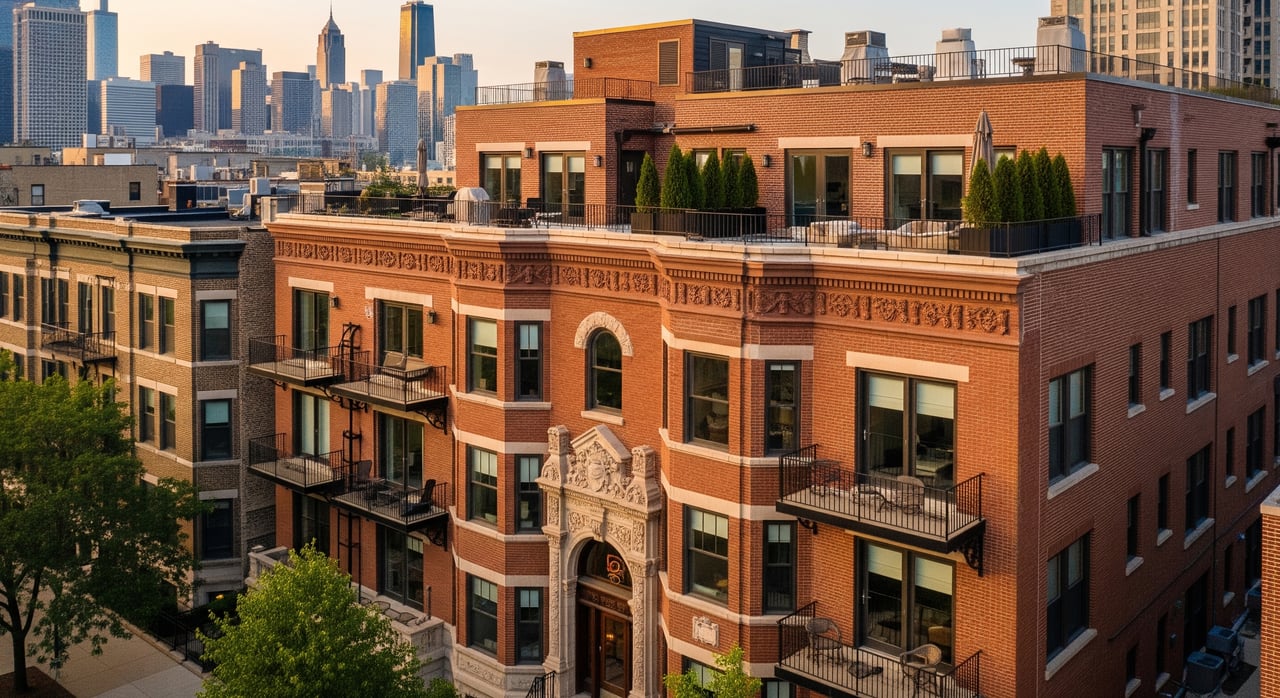
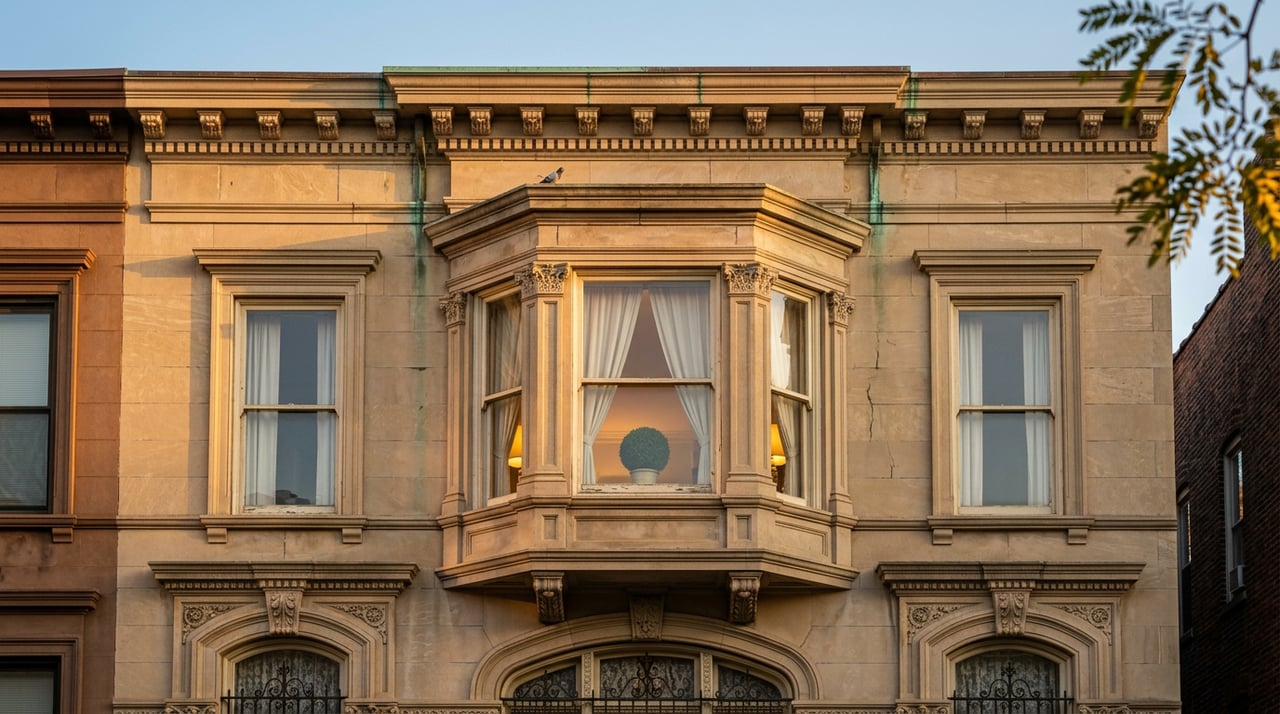
Old Town’s charm comes with history. Many buildings are pre‑war or mid‑century masonry structures with flat roofs, older windows, boilers, and sometimes elevators and garages. Chicago’s freeze–thaw cycles, lake‑effect snow, and humidity create predictable repair needs over time. If an association is underfunded, owners often face fee hikes or special assessments to cover these big-ticket items.
Typical projects to plan for
- Exterior masonry and tuckpointing
- Window replacement or thermal upgrades
- Roof replacement or major membrane repairs
- Boiler or central heating replacement in older buildings
- Elevator modernization in mid‑rise buildings
- Balcony waterproofing and repair
- Parking structure and garage membrane repairs
- Building envelope upgrades and façade restoration
- Life and safety: fire alarms, egress, lighting, accessibility
Documents you need to request
You have a right to perform due diligence during your offer and contingency period. Ask the seller, listing agent, or manager for the following and review them closely.
Financials and operating budget
- Current operating budget and the latest monthly statements (balance sheet and income statement)
- Reserve contribution listed as its own line item
- History of dues increases and any budgeted deficits
- Accounts receivable or delinquency report
What to look for: recurring operating deficits, clear separation of operating and reserves, and any trend that suggests rising costs or cash strain.
Reserve study and capital plan
- Most recent reserve study and any updates
- Component list, remaining useful life, and replacement cost estimates
- Recommended annual reserve funding and target “fully funded” balance
- Five and ten-year capital plan with timelines and cost ranges
What to look for: a study completed or updated within the last 1 to 3 years, especially in older buildings. Confirm the board’s funding plan lines up with the study.
Minutes, assessments, and borrowing
- Board and annual meeting minutes from the last 12 to 24 months
- History of special assessments over the past 5 to 10 years
- Notes about bids, approved projects, and contingency plans
- Any loans or lines of credit taken by the association
What to look for: signs of deferred maintenance, frequent emergency repairs, or a pattern of short-term borrowing to fund capital work.
Insurance and vendor contracts
- Master insurance certificates and deductible levels
- Service contracts for elevators, boilers, landscaping, and snow removal
- Reserve and investment policy, and whether reserve accounts are segregated
What to look for: high deductibles that could pass costs to owners after a claim, and clear reserve account segregation with matching bank statements.
How to interpret the numbers
Reserve terms can sound technical. Here is what they mean and how to use them.
Key concepts in plain language
- Operating fund: pays routine bills like utilities, cleaning, and maintenance.
- Reserve fund: long-term savings to pay for predictable big items like roofs, elevators, and façades.
- Reserve study: an engineering and financial plan that estimates timing and cost for replacements and sets a funding target.
- Fully funded balance: what the reserves should have today to stay on schedule according to the study.
Quick metrics you can calculate
- Funded ratio: current reserve balance divided by the fully funded balance. Near 100 percent suggests strong readiness for the study’s projects. Lower ratios can mean fee increases, special assessments, or borrowing.
- Reserves as a percent of the annual operating budget: reserve balance divided by one year of operating expenses. This shows scale and context.
- Months of operating expenses covered by reserves: reserve balance divided by average monthly operating expenses. This shows short-term shock resilience.
Example funded ratio: if the study’s fully funded balance is $400,000 and the association has $80,000 in reserves, the funded ratio is 80,000 divided by 400,000 which equals 20 percent. That is underfunded and suggests higher fees or a special assessment may be likely.
Per‑unit impact of a project
- Example: a roof replacement is estimated at $300,000 and there are 60 units.
- Equal share example for simple math: $300,000 divided by 60 equals $5,000 per unit.
- If the board collects this over 12 months as a special assessment: $5,000 divided by 12 equals about $417 per month for one year.
- If the board prefers to build funds over 10 years via fee increases: $5,000 divided by 120 months equals about $42 per month per unit.
Note: real allocations often use each unit’s percentage interest in the declaration. Confirm the actual method in the governing documents.
Weighing building type and age
Older masonry buildings and those with boilers, façades, balconies, or parking structures usually need larger reserves because these projects are costly and cyclical. Newer mid or high-rises still face elevator and mechanical lifecycles. Focus less on a single “good” number and more on whether current funding matches realistic near-term projects for that specific building.
Red flags and smart follow‑up
Red flags in the records
- No reserve study, or a study older than 3 years
- Reserve contributions far below what the study recommends
- Co‑mingled operating and reserve funds, or unclear bank records
- Large, unexplained drops in reserve balance
- Frequent short-term borrowing for capital needs
- Repeated or large special assessments within 5 to 10 years
- Delinquency rates above about 5 to 10 percent
- Pending litigation or contractor disputes
- Insurance gaps or very high deductibles
- Minutes referencing “urgent” deferred maintenance
- Vendor contracts ending soon that may spike costs
Questions to ask the board or manager
- When was the last full reserve study completed? Will you share the latest update?
- What is the current reserve balance and where is it held? Is it segregated?
- What major projects are planned in the next 1 to 5 years and how will they be funded?
- Have there been any special assessments in the last 10 years? Why and how much per unit?
- What percent of owners are delinquent on dues today? Any large outstanding balances?
- Any pending or threatened litigation or insurance claims?
- How are project costs and special assessments allocated among units?
- What is the policy for updating the reserve study and setting annual contributions?
How to cross‑check for consistency
- Match reserve balances in financial statements to reserve bank statements or the management ledger.
- Compare the study’s recommended annual reserve contribution to the budget line item. Any big gap should show up in minutes or a funding plan.
- Review minutes for bidding details, contractor names, and approved amounts. Compare them with the budget and reserve study estimates.
Buyer checklist for Old Town condos
- Request documents early during your offer or contingency period:
- Latest operating budget and year‑to‑date financials, plus the last 2 to 3 years of audited or compiled financials if available
- Most recent reserve study and updates
- Reserve ledger and bank statements
- Board minutes for the last 12 to 24 months, planned projects, and bids
- Special assessment history, delinquency report, and insurance certificates
- Declaration and bylaws to confirm allocation methods and assessment rules
- Verify the reserve study’s age and scope:
- If older than 3 years or missing, ask when it will be updated and whether key components have changed since the last study.
- Calculate quick metrics:
- Funded ratio if the study provides a fully funded balance
- Reserve balance as a percent of the annual budget
- Months of operating expenses covered by reserves
- Per‑unit share of any upcoming project based on the allocation method
Scan minutes for approved projects, emergency repairs, or board conflict. If you see “urgent” projects, ask for cost ranges and the funding plan.
Check for red flags: high delinquency, repeated assessments, big reserve draws, pending litigation, or insurance gaps.
Ask targeted questions of the board or manager and weigh responses in your decision.
When to bring in experts
If a large project is imminent and reserves are light, consider engaging a structural engineer or building inspector for a second opinion on condition and cost ranges. For recorded documents, easements, or liens, a title professional or attorney can help you confirm what may affect assessments or ownership. Legal requirements and timelines can vary in Illinois, so consult a local attorney if you need clarity on your rights as a buyer.
Helpful resources
The bottom line
In Old Town, reserves are your window into how a building plans for real costs like masonry, roofs, and mechanicals. Ask for the right documents, run a few quick metrics, and read the minutes for what is coming in the next 1 to 5 years. When you pair that review with clear questions and a realistic funding plan, you protect your budget and your peace of mind.
If you would like a second set of eyes on the documents or want help weighing two buildings side by side, reach out to Haylee Stone. You will get local insight, calm guidance, and a clear path to a confident offer.
FAQs
What is a condo reserve study in Old Town and why does it matter?
- A reserve study is an engineering and financial plan that lists building components, their remaining life, and replacement costs, then recommends annual funding so the association can pay for projects on time.
How do I know if a condo’s reserves are underfunded in Chicago?
- Calculate the funded ratio: reserve balance divided by the study’s fully funded balance. A much lower ratio suggests fee hikes, special assessments, or borrowing may be needed.
Which Old Town building components drive big reserve needs?
- Masonry and tuckpointing, roof membranes, window systems, boilers or central heating, elevators, balconies, and parking structures tend to be the costliest and most impactful.
What documents should I request before buying an Old Town condo?
- Ask for the operating budget, financials, reserve study and updates, bank statements for reserve accounts, minutes for the last 12 to 24 months, assessment history, delinquency report, insurance certificates, and governing documents.
How can I estimate my per‑unit cost for an upcoming project?
- Divide the project’s total cost by the number of units, then adjust for your building’s allocation method in the declaration. For timing, divide the per‑unit amount by the number of months if the board plans to collect it over a period.
What red flags should I look for in Old Town condo association records?
- Outdated or missing reserve studies, low reserve contributions, co‑mingled funds, frequent special assessments, high delinquencies, pending litigation, insurance gaps, and minutes showing urgent deferred maintenance.