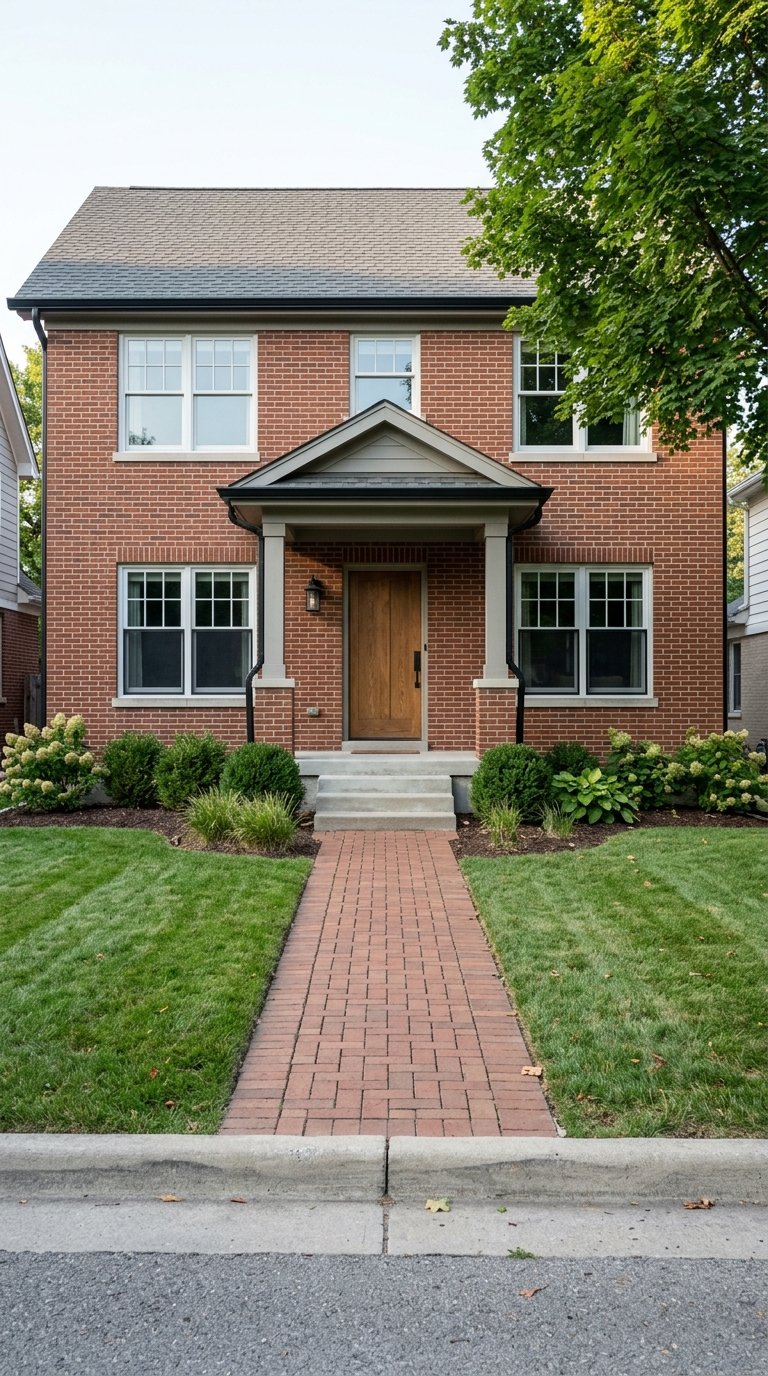
What Shapes Highland Park Rock Island Home Values
Wondering why one Highland Park home sells at a modest price while another commands a major premium? In this Rock Island historic district, value is shaped by more than square footage alone. If you own a home here or hope to buy one, understanding what buyers notice first can help you price, prepare, and evaluate a property more confidently. Let’s dive in.
Highland Park has a very specific identity in Rock Island, and that identity plays a big role in home value. The neighborhood is bounded by 20th and 24th Streets and 16th and 18th Avenues, and the city treats it as a local historic district with special preservation protections.
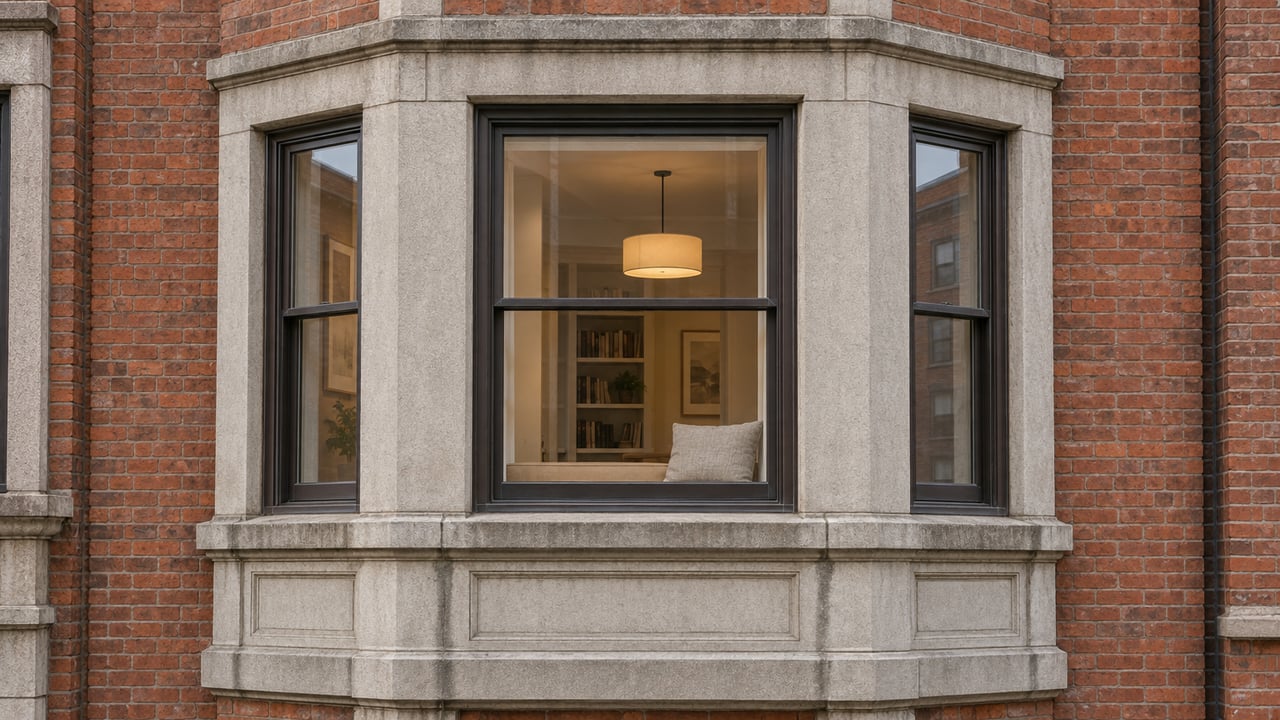
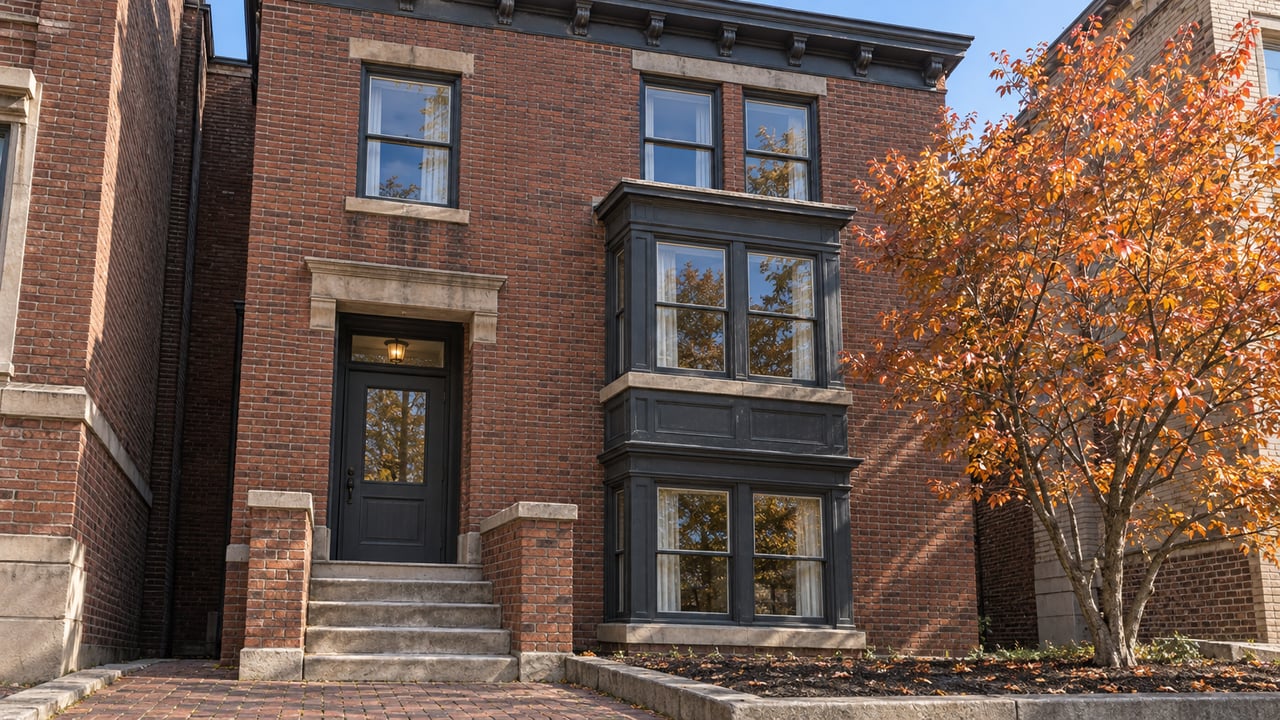
According to the City of Rock Island, Highland Park is known for its original brick streets, late-19th- and early-20th-century architecture, and a high level of original integrity. That means buyers are not just comparing homes here by size or bedroom count. They are also reacting to the feel of the block, the continuity of the streetscape, and how well a home fits the district.
The city also notes that Highland Park is the only neighborhood in Rock Island given the same historic status as Rock Island Landmarks. That distinction matters because it reinforces the neighborhood’s identity and helps explain why buyers often place extra value on homes that preserve original details.
In Highland Park, the setting around the home is part of the value story. Rock Island’s historic materials describe the district’s ambience as coming from outstanding architecture and original brick streets, and many homes were architect-designed.
The city’s brick-streets plan gives Highland Park special preservation priority. In practical terms, that helps protect the visual character buyers come here for in the first place. When a neighborhood has a strong and consistent look, buyers often read that as long-term value.
Historic character is important, but condition still matters every time a home is priced or marketed. In fact, one of the clearest drivers of value in Highland Park is how well a home combines original charm with modern livability.
Recent sales in the neighborhood show a wide range of outcomes. A home at 1601 21st St sold for $190,000 on May 9, 2025 after updates that included stucco, kitchen, boiler, roof, water heater, electric panel, and garage work. Another home at 1703 24th St sold for $176,400 on May 2, 2025 and was marketed as move-in ready across from Reservoir Park with a two-car garage.
At the higher end, 1720 22nd St, a 1911 Spanish Colonial Revival home, sold for $445,000 in February 2024. That sale suggests rare architecture and standout preservation can command a much higher price in this district.
Not every improvement adds value in the same way. In a neighborhood like Highland Park, buyers tend to respond most strongly when a home keeps its historic appeal while addressing the systems and spaces that affect daily life.
That often includes updates to the roof, electrical, heating, kitchen, baths, and exterior condition. When those upgrades are already done, buyers may feel more confident about the home and more comfortable paying a stronger price.
One detail many owners overlook is the property record card. The Rock Island Township Assessor says valuation starts with sales in the neighborhood over the prior three years and the property record card, which includes details such as square footage, garage, plumbing fixtures, porches, patio, pool, and fireplaces.
If those details are wrong, they can affect how your home is understood in a valuation discussion. For sellers, this makes it especially important to verify the basics before listing and to document any meaningful upgrades.
Before requesting a valuation or preparing to sell, it helps to review the details that can shape how your home compares to others:
If you have permits, invoices, and before-and-after photos for major work, keep them organized. In a neighborhood where buyers often compare quality and preservation closely, clear documentation can strengthen your pricing story.
In Highland Park, value is not just about the house itself. The lot, the setting, and the home’s relationship to the block also matter.
Recent sales help show why. The home at 1601 21st St sits on a 7,117-square-foot lot, while 1720 22nd St sits on a 0.25-acre lot. Corner placement, yard feel, garage capacity, porch space, and outdoor usability all contribute to how buyers perceive overall value.
The neighborhood’s official page also points to public open space and amenities such as Reservoir Park and Five Points Greenspace. Buyers often respond to these nearby features because they shape how the home lives day to day.
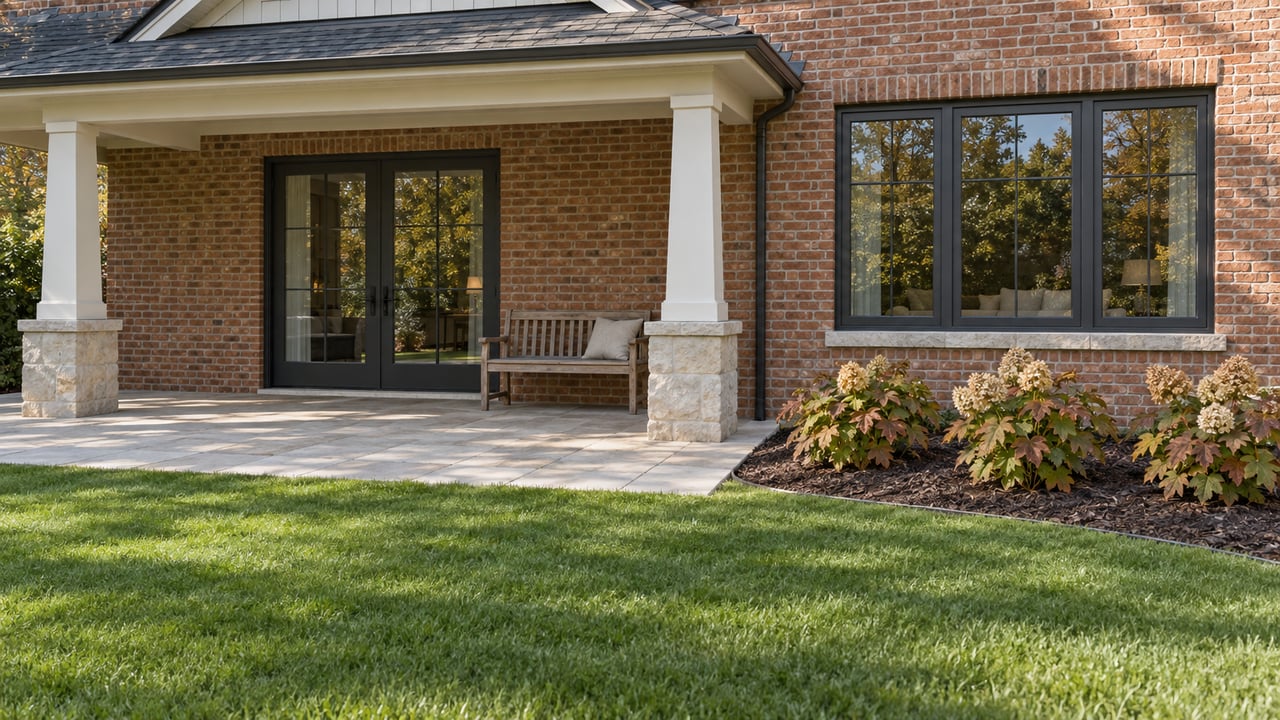
The most marketable lot and setting details are usually the ones that are immediately visible or functional. In Highland Park, that can include:
These features may not matter equally on every property, but they often help explain why two homes with similar size can still attract very different levels of buyer interest.
Because Highland Park is a local historic district, exterior work is not always as simple as making a design choice and moving forward. The city says exterior changes require review through a Certificate of Appropriateness.
That matters if you are planning pre-sale improvements. If the work affects the exterior, it is smart to confirm whether Preservation Commission approval is needed before you start.
Some owners see review requirements as a hurdle, but they also help protect the neighborhood features that support demand. When original materials, architectural details, and the overall look of the district are preserved, that continuity can strengthen buyer confidence in the area.
In Highland Park, preservation is part of the value equation. Buyers are often paying for a specific historic setting, not just a standalone structure.
Even when they do not set the sale price directly, carrying costs still influence what buyers are willing to pay. In Illinois, most property is assessed at 33 1/3 percent of fair market value, and the tax bill depends on the assessment plus the funding needs of local taxing districts.
For that reason, property taxes are part of the affordability picture. Buyers may not use taxes as the main pricing driver, but they do factor them into monthly cost and long-term ownership.
Flood risk is another important checkpoint. Rock Island County participates in the National Flood Insurance Program, and the county says flooding remains a meaningful issue in parts of the county because of the Mississippi and Rock Rivers.
The county also provides parcel-level flood maps and flood determinations. That is worth checking before listing, pricing, or buying because standard homeowner policies do not cover flood damage.
It can be tempting to start with citywide or countywide averages, but Highland Park is a neighborhood where block-level comps matter more. Realtor.com currently shows no separate Highland Park median listing price, median rental price, or days-on-market figure, which is one reason neighborhood-specific sales carry more weight.
For broader context only, Zillow reports the Rock Island city average home value at $127,878 as of April 30, 2026. Redfin reports a Rock Island County median sale price of $167,500 in March 2026 with 35 median days on market.
Those figures can help you understand the wider market, but they should not replace close analysis of recent Highland Park sales. In a historic district with distinctive housing stock, pricing works best when it starts with nearby comparable homes.
If you want a more accurate read on your Highland Park home’s value, a little preparation can go a long way. The goal is to combine neighborhood context, property facts, and visible condition into a clear pricing picture.
Start with the basics:
In this neighborhood, small details can have an outsized impact. A well-preserved façade, a move-in-ready interior, an accurate record card, and a strong lot setting can all help shape how buyers and agents interpret value.
If you want a pricing strategy that looks beyond averages and focuses on what makes your home stand out in Highland Park, working with a local, detail-oriented advisor can make a real difference. For a tailored perspective on your property and how to position it in the market, connect with Haylee Stone.
Haylee has a reputation for consistently carrying one of the most impressive luxury listing platforms in the marketplace. Contact Haylee today for a free consultation for buying, selling, renting or investing in Chicago.
HAYLEE STONE
900 N MICHIGAN AVE STE 800 CHICAGO IL 60611