Logan Square New Construction Vs Vintage Homes
Trying to choose between new construction and a vintage home in Logan Square? You are not alone. This is one of the most common tradeoffs buyers face here, because Logan Square offers a mix of historic Chicago housing types and newer infill development. If you want to understand how the options really compare, this guide will help you weigh character, upkeep, layout, and long-term fit. Let’s dive in.
Logan Square’s housing stock tells the story right away. According to CMAP’s April 2025 housing profile, the neighborhood has 36,194 housing units, and 59.5% were built in 1939 or earlier. The median year built is 1944, which means older housing still shapes most of what you will see and shop for.
That matters because vintage homes are not a small niche here. They are part of the neighborhood’s core identity. Logan Square also includes the historic boulevards district, and much of the area developed between the late 1800s and early 1900s, which helps explain the strong presence of masonry flats, bungalows, and other classic Chicago building types.
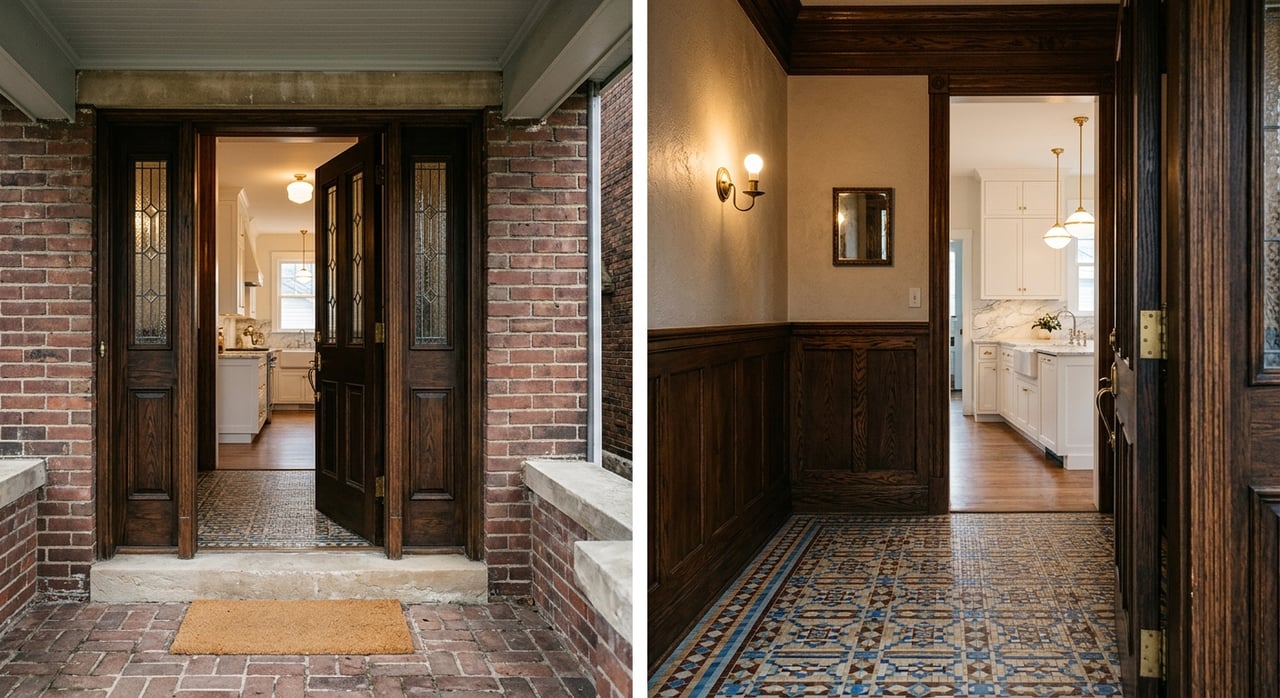
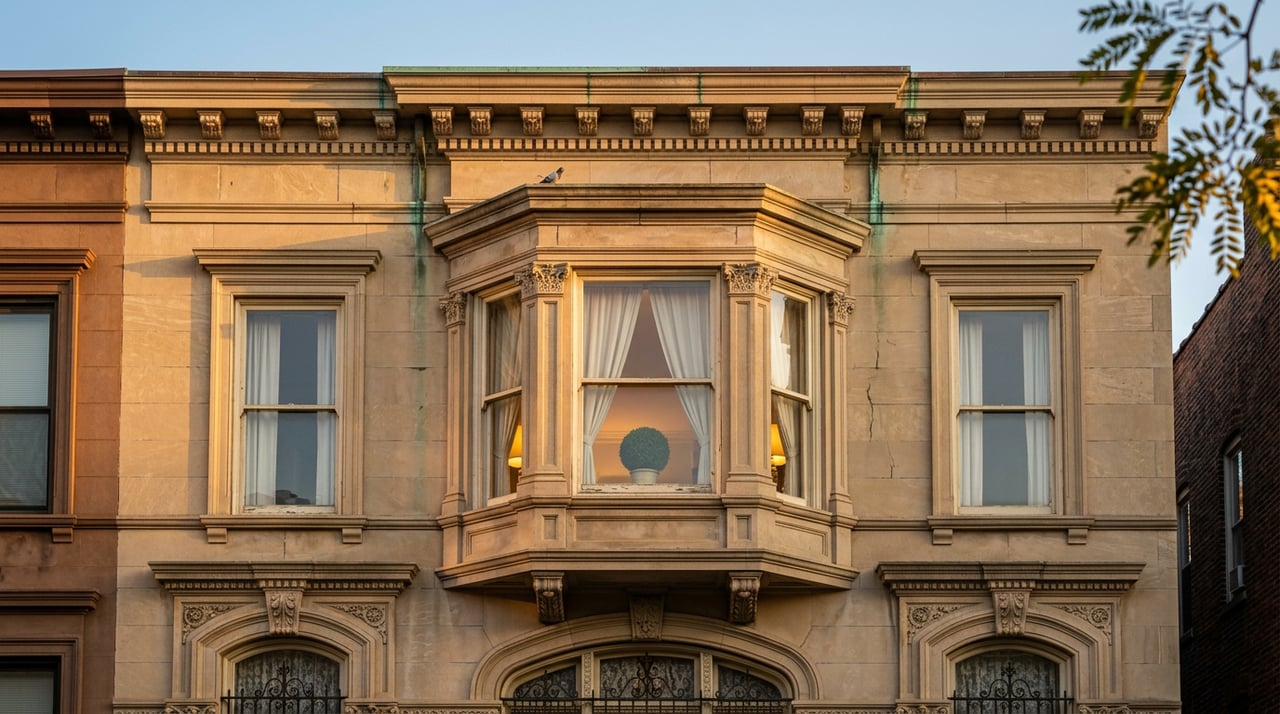
In Logan Square, “vintage” usually means familiar Chicago housing forms like two-flats, three-flats, greystones, courtyard buildings, and bungalows. The Chicago Architecture Center describes two- and three-flats as a key local housing type, often dating from 1900 to 1918, with features like brick or stone facades, bay windows, side entry porches, and cornices.
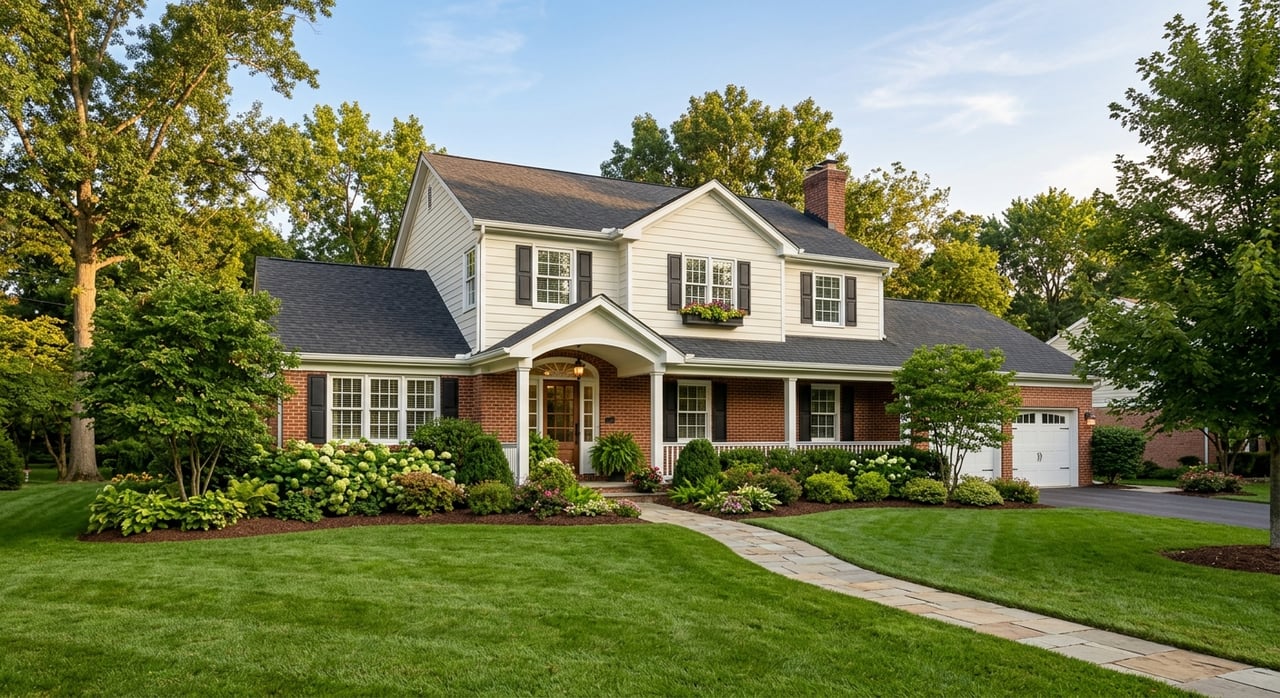
Chicago bungalows bring a different kind of appeal. They are typically one-and-one-half-story brick homes over a basement, with a low-pitched hip roof and a wide front porch. If you are drawn to original detail and established architecture, these homes often deliver that in a way newer construction cannot fully replicate.
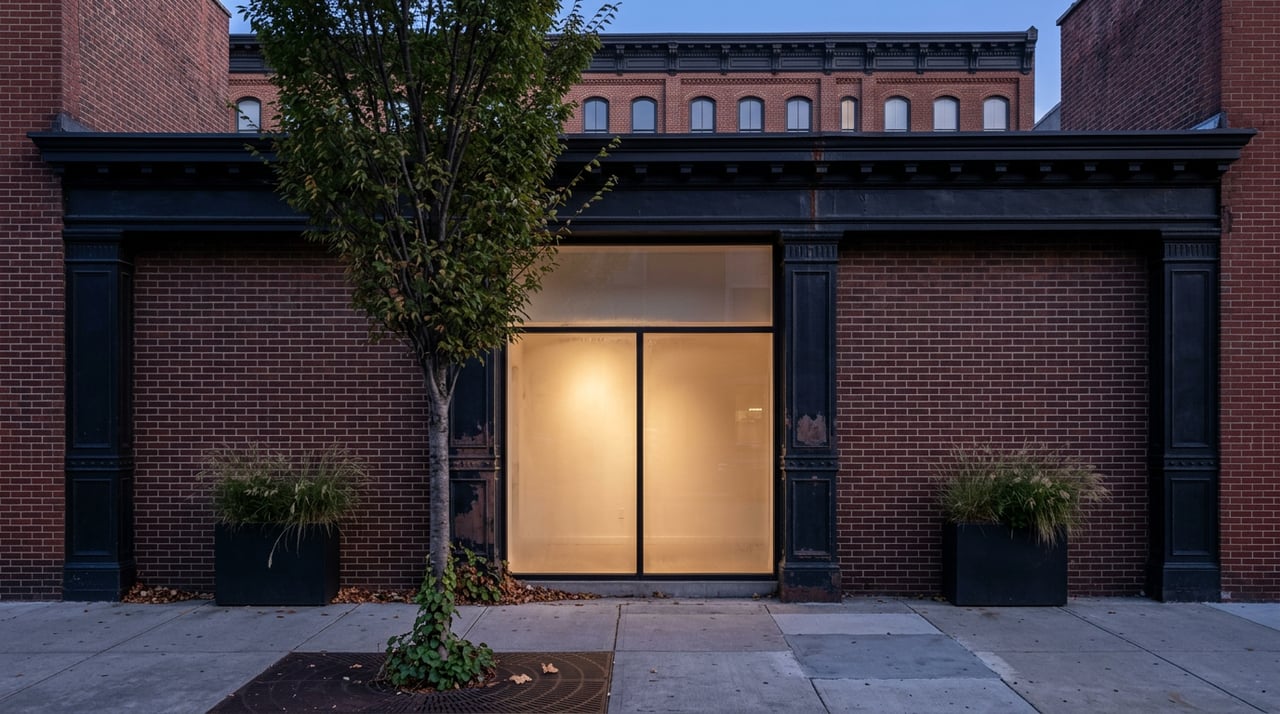
New construction in Logan Square usually does not mean large new subdivisions or a full neighborhood of newly built homes. More often, it means infill or redevelopment woven into an older streetscape. That can include single-family homes, condos, or newer multifamily projects.
Recent development also shows that new construction here is not limited to one format. For example, the recently opened Encuentro Square project brought 89 units near The 606, including 70 two- or three-bedroom homes. That is a useful reminder that newer housing in Logan Square can include family-sized options, not just smaller units or luxury-only product.
One of the main reasons buyers choose vintage homes in Logan Square is character. Original masonry, period details, and classic Chicago architecture can give these properties a sense of place that feels deeply tied to the neighborhood.
Vintage homes can also offer flexibility over time. Because so much of Logan Square’s housing stock is older, many buyers see these homes as a chance to make thoughtful updates, modernize systems, or improve interiors gradually. For buyers who do not need everything to feel brand-new on day one, that can be a meaningful advantage.
Another factor is architectural consistency. In a neighborhood where older housing is the dominant language, a vintage home often feels naturally connected to the block and surrounding streetscape. That established feel is part of what many buyers are looking for when they focus on Logan Square in the first place.
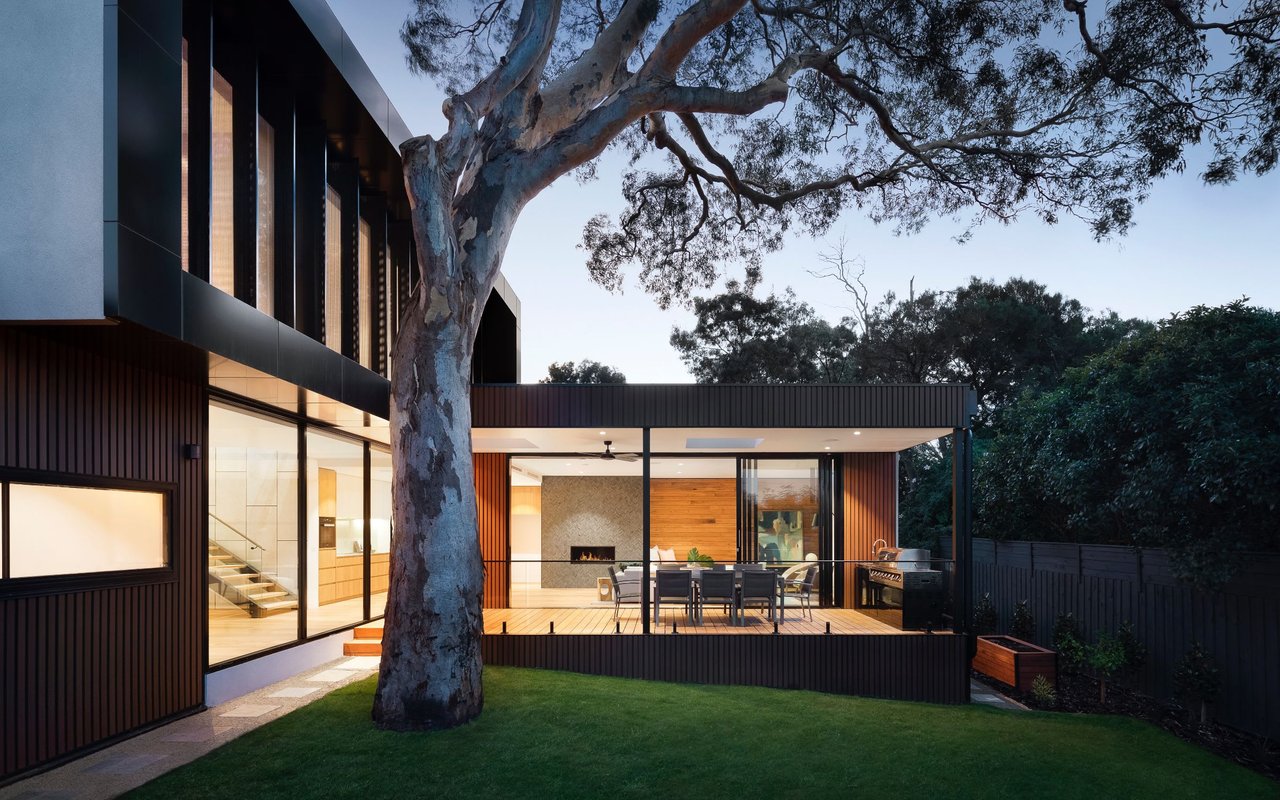
The clearest strength of new construction is performance. The U.S. Department of Energy notes that new energy-efficient homes often exceed minimum insulation requirements, and that air sealing and insulation are easier and more cost-effective to install during construction than after a home is completed.
For you as a buyer, that often translates into a home that feels more turnkey. Newer construction may offer contemporary build standards, newer mechanical systems, and fewer near-term maintenance surprises compared with an older property.
Comfort can also be part of the appeal. DOE describes certified new homes as high-performance homes designed for energy savings, comfort, health, and durability. While features vary by property, newer homes are generally where buyers look when they want a more current baseline for systems and efficiency.
Layout is often one of the biggest day-to-day differences. Vintage two- and three-flats were built in a different era, and their floor plans can feel more segmented than newer construction. That is not necessarily a drawback, but it does create a different living experience.
If you prefer defined rooms, separation between spaces, and a more traditional plan, vintage housing may feel more comfortable. If you want a more open flow, larger kitchen-to-living connections, or a layout designed around current preferences, new construction may align better.
This is why floor plan fit matters as much as square footage. Two homes can have similar size on paper but live very differently depending on when and how they were built.
Because Logan Square is still primarily an older-stock neighborhood, maintenance is a practical part of the conversation. A home built decades ago will often require more attention over time than a brand-new property. That does not mean every vintage home is high-maintenance, but it does mean buyers should expect a different ownership profile.
New construction tends to appeal to buyers who want to limit near-term capital projects. If your priority is a smoother first few years of ownership, that can be a major advantage. On the other hand, if you are comfortable planning updates over time, a vintage home may offer a better fit and more room to personalize.
Vintage and new construction often deliver value in different ways. Older homes may offer original detail, solid masonry construction, and a feeling of architectural depth. Newer homes usually emphasize updated finishes, newer mechanicals, and construction-stage efficiency advantages.
The right choice depends on what matters most in your daily life. Some buyers are happy to trade ultra-new finishes for a more established home with period detail. Others want modern systems and a move-in-ready feel, even if that means giving up some architectural character.
Vintage homes can be especially appealing if you like the idea of improving a property over time. Interior updates and system modernization may create meaningful upside for the right buyer. That is one reason older homes continue to attract buyers who want both character and potential.
At the same time, landmark status can affect what is possible in certain areas. The Logan Square Boulevards District is a Chicago Landmark, and the city says permit review in landmark districts typically focuses on exterior elevations visible from the public right-of-way. Chicago also reviews alterations, demolition, and new construction affecting landmark properties.
In practical terms, this means exterior work may come with more review if the property is in a landmark district. Interior plans and overall renovation goals should be evaluated carefully before you buy, especially if changes to the exterior are part of your vision.
For some vintage properties, preservation-related incentives may be worth exploring. The city notes programs such as the Class L assessment, a state property-tax freeze for owner-occupied residential rehabilitation, and permit fee waivers tied to qualifying preservation work.
These incentives will not apply to every property, and they are most relevant when a home is preservation-eligible and the work meets program requirements. Still, if you are comparing older homes in a landmark context, this can be an important part of your decision-making process.
If you are still deciding, it helps to frame the choice around your priorities rather than broad assumptions. In Logan Square, the classic tradeoff is usually character and renovation upside versus efficiency and lower near-term upkeep.
A vintage home may be the better fit if you value:
New construction may be the better fit if you value:
The most important thing to know is that Logan Square is still, at its core, an older-housing neighborhood. CMAP reports that 16.9% of housing units were built in 2000 or later, which means newer inventory is present and meaningful, but it remains a smaller share of the overall housing picture.
That is why many buyers here are not choosing between two equal housing categories. More often, you are comparing a smaller pool of newer homes against a much larger base of vintage inventory. Understanding that balance can make your search feel more realistic and more strategic from the start.
Whether you are drawn to a polished newer build or a classic Chicago home with history, the best choice usually comes down to how you want to live, what level of upkeep feels comfortable, and how much value you place on character versus convenience.
If you want help comparing specific homes in Logan Square, Haylee Stone can help you weigh layout, condition, long-term fit, and neighborhood context so you can move forward with confidence.
Haylee has a reputation for consistently carrying one of the most impressive luxury listing platforms in the marketplace. Contact Haylee today for a free consultation for buying, selling, renting or investing in Chicago.
HAYLEE STONE
900 N MICHIGAN AVE STE 800 CHICAGO IL 60611