The File Every Old Town Triangle Sale Should Include, and Usually Doesn't
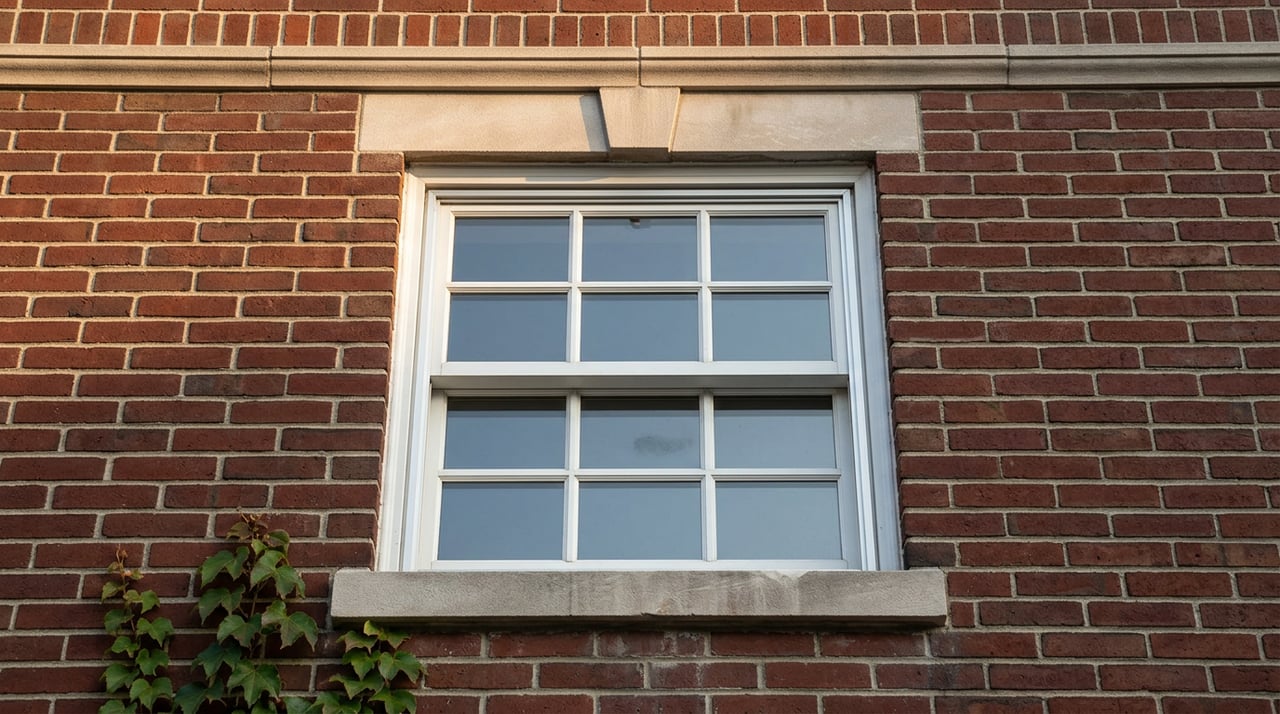
A homeowner in the Old Town Triangle decides it's finally time to replace the windows. The old units are the ones a previous owner installed sometime in the 1990s, already a replacement for whatever came before. Surely a second replacement, decades later, is just maintenance. It isn't. If those windows face the street, the new ones still have to match the historic profile the district was designated to protect, down to the muntin pattern and the sightlines. The owner discovers this not from a neighbor or a permit clerk, but from a stop-work notice.
That story repeats itself across the district in different forms: a garage door swapped without a second thought, a rear addition framed before anyone checked the alley view, a cornice repair done with the wrong mortar mix. Each time, the surprise is the same. The rule that governs Old Town Triangle doesn't ask who owns the house or how long they've owned it. It asks what's visible from a public way, and that question doesn't reset when the property changes hands.
That's the part most guides to this neighborhood skip. Landmark status here isn't a plaque or a talking point in a listing description. It's an open file that travels with the address, and whether that file is in good order affects how fast you can renovate, how much a lender's timeline can slip, and what you're actually paying for when you compare two similar townhomes at different price points.
Chicago's landmark ordinance regulates exterior features visible from a public way, and in Old Town Triangle that definition is broader than most buyers expect. It doesn't stop at the front facade. Alleys count. Rooflines count. So does a rear addition, a mechanical unit mounted where it can be seen from the block behind the house, or a storefront sign on a mixed-use building along Wells Street.
Street-facing window replacement is the most common trigger, precisely because owners assume it's routine. Tuckpointing and cornice repair get flagged too, since the Commission on Chicago Landmarks reviews those for compatible materials and mortar profiles, not just structural soundness. None of this requires a grand renovation to matter. A fence height, a new storm door, a change to a porch rail can all land in front of Landmarks staff before they land in front of the Department of Buildings.
Interior work is generally exempt, unless it changes what's visible from outside or touches a structural element that alters the exterior. That distinction gives buyers more room than they think for kitchens, baths, and mechanical systems. It gives them far less room than they think for anything with a sightline to the street or the alley.
Every building in the district carries a classification: contributing or non-contributing, based on whether it fits the period of significance and retains its historic character. The Old Town Triangle Association keeps this documented in a building catalog, most recently finalized in August 2024, and it's worth requesting by name when you're evaluating a specific address.
What the catalog itself states, though, is that its classifications are preliminary. The determination comes from Historic Preservation Division staff as guidance, not as a binding ruling. Property owners retain the right to petition the Commission on Chicago Landmarks and the City Council to argue that a building should be treated differently, and that argument can surface mid-permit, not just at designation. Two houses on the same block, built in the same decade, can end up on different sides of that line depending on how much of their original fabric survived and how persuasively an owner makes the case.
For a buyer, that means the contributing status you see today is a starting position, not a guarantee. For a seller, it means documenting where your property landed, and why, is part of what you're handing off at closing.
Old Town Triangle's Historic District/Planning & Zoning Committee meets the third Tuesday of every month at the Triangle Center on North Park Avenue to review proposed exterior changes and forward recommendations to the Alderman of the 43rd Ward and the relevant city departments. The final call always rests with the Landmarks Commission, and that's where the timeline splits into two very different paths.
Routine items get approved administratively by Historic Preservation Division staff, typically within a few weeks once the application is complete. Larger changes, demolitions, or anything that raises a real preservation concern go to the full Commission for a public hearing instead, which adds two to four months on top of whatever time the building permit itself requires.
That gap matters for anyone timing a purchase around a renovation, or a sale around a repair contingency. A buyer planning to close and start work by a certain date needs to know before the offer goes in whether their project sits in the fast lane or the slow one. A seller mid-renovation needs to know that a stalled Commission hearing can stall the sale behind it.
What tends to land in the slow lane:
What usually clears at the staff level: like-for-like window and door replacement with documentation, routine masonry repair using matched materials, and minor storefront updates that follow the district's existing character.
Buyers eyeing a teardown or a major rebuild in the district run into a separate clock. Under the Chicago Historic Resources Survey, buildings rated orange or red face a 90-day demolition delay once an owner applies for a demolition permit, a hold built specifically to give preservation staff and neighborhood groups time to weigh in before a structure comes down.
Three months doesn't sound like much against the scale of a full rebuild, but it lands at the worst possible point in a construction loan timeline: after the purchase has closed, after the architect has been paid, and before a single permit has actually been issued. Anyone financing new construction on a lot in this district should ask about a property's survey rating before assuming a demolition permit is a formality.
Earlier this year, Old Town's townhome inventory, the segment most likely to carry landmark status, was pricing from roughly $700,000 up to $1.5 million, with a wide gap between renovated and unrenovated stock even on comparable blocks. That spread isn't only about finishes.
A house at the top of that range often comes with something the listing photos don't show: a stack of prior Certificates of Appropriateness, documented window replacements that already cleared review, and no open violations sitting on file with the city. A house at the bottom of the range may look similar in every dimension a walkthrough can capture, while carrying unresolved landmark questions that the next owner inherits along with the address.
That's the real premium in this district. You aren't just buying square footage and a period facade. You're buying, or failing to buy, someone else's paperwork.
Does interior renovation need Landmarks approval in Old Town Triangle? Generally no. Interior work falls outside landmark review unless it changes the exterior appearance or affects a structural element that alters what's visible from the street or alley.
Is a National Register listing the same as Chicago Landmark District status? No. National Register listing is honorary and doesn't restrict private work on its own, though it can open doors to certain tax incentives for income-producing properties. The Chicago Landmark ordinance is the layer that actually regulates what you can change, and it's administered separately from the federal designation.
Where do I check a specific address before making an offer? Start with the City of Chicago's Landmark Permit Review page, which outlines how the Historic Preservation Division reviews applications, and the Old Town Triangle Association's Historic District and Planning & Zoning Committee page, which links the district's adopted guidelines and building catalog. For a property's Historic Resources Survey rating and demolition delay status, Chicago Cityscape's housing and landmarks data is worth a look before you assume a rebuild timeline.
None of this makes Old Town Triangle a harder place to buy or sell. It makes it a place where the paperwork is part of the asset, and where the right questions before contract save the delays that show up after. If you're weighing a purchase in the district, or preparing to list a home that's carried its own landmark file for years, Haylee Stone can help you get ahead of it before it becomes a closing-week surprise. Start with an instant home valuation and a conversation about what your property's documentation actually says.


Haylee has a reputation for consistently carrying one of the most impressive luxury listing platforms in the marketplace. Contact Haylee today for a free consultation for buying, selling, renting or investing in Chicago.
HAYLEE STONE
900 N MICHIGAN AVE STE 800 CHICAGO IL 60611